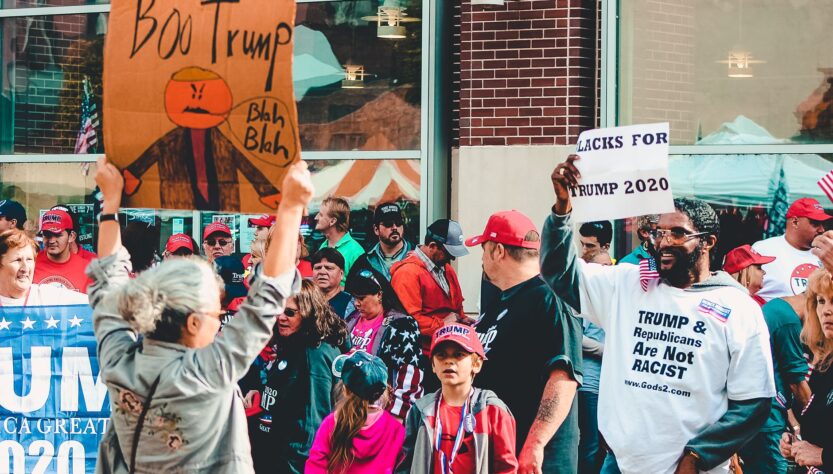
Trump antisemitic slur has sparked outrage as he defended Sen. Roger Marshall during a rally in Kansas. This incident highlights ongoing tensions in political discourse.
Background of the Rally
During a rally in Kansas, former President Donald Trump made headlines when he used an antisemitic slur while defending Senator Roger Marshall. This incident has drawn significant attention and criticism from various quarters, highlighting the ongoing issues of hate speech in political discourse.
The rally, held in support of Marshall’s re-election campaign, featured Trump discussing a myriad of topics, but it was his controversial remarks that stood out. Attendees were enthusiastic, but the atmosphere shifted as Trump made his comments, prompting backlash from both supporters and opponents.
In the context of the rally, Trump aimed to bolster Marshall’s credibility and appeal to his base. However, the use of the antisemitic slur raised eyebrows and led to widespread condemnation. Critics argue that such language perpetuates harmful stereotypes and undermines efforts to combat antisemitism in the country.
As the fallout continues, several organizations and leaders have spoken out against Trump’s remarks, emphasizing the need for accountability and responsible rhetoric in political settings. The rally serves as a reminder of the complexities surrounding political events and the impact of language on societal attitudes.
Looking ahead, the incident may influence public perception of both Trump and Marshall as they navigate the political landscape leading up to the upcoming elections.
Reactions to Trump’s Comments
Reactions to Trump’s comments during the rally have been swift and varied, with many expressing outrage over his use of an antisemitic slur. Critics have taken to social media and news outlets to denounce the remarks, emphasizing the harmful impact such language can have.
Several prominent figures from both political parties have spoken out against the comments:
- Jewish Organizations: Multiple organizations, including the Anti-Defamation League and the Jewish Federations of North America, condemned the remarks, stating that they perpetuate dangerous stereotypes and encourage hate.
- Political Leaders: Key politicians have also voiced their concerns, with some calling for a unified front against hate speech, regardless of political affiliations.
- Public Figures: Celebrities and activists have expressed their disbelief and disappointment, urging their followers to reject such rhetoric and stand in solidarity against antisemitism.
Supporters of Trump have attempted to downplay the significance of the remarks, arguing that the media is overreacting. However, many believe that this incident highlights a troubling trend in political discourse.
As discussions continue regarding the implications of Trump’s antisemitic slur, it is clear that the fallout from his comments will resonate beyond the rally, sparking necessary conversations about hate and intolerance in society.
Impact on Political Climate
The comments made by former President Donald Trump at a recent rally have created significant ripples in the political landscape, particularly regarding his use of an antisemitic slur. This incident has not only intensified discussions around his rhetoric but also raised questions about the broader implications for his supporters and the Republican Party.
Political analysts suggest that Trump’s remarks may alienate moderate voters who prioritize inclusion and tolerance. The fallout from the rally has prompted a divide within the GOP, with some members openly condemning the antisemitic slur while others remain silent, fearing backlash from Trump’s base.
Furthermore, the incident could serve to galvanize opposition movements, particularly among groups advocating for social justice and equality. Many are leveraging this moment to highlight the need for accountability among political leaders, pushing for a more robust stance against hate speech.
As the 2024 presidential race approaches, the impact of Trump’s comments may shape campaign strategies. Candidates will have to navigate the delicate balance of appealing to Trump’s loyal followers while also attracting a broader electorate concerned about antisemitism and other forms of discrimination.
In the wake of this controversy, it remains to be seen how the political climate will evolve, but one thing is clear: the ramifications of Trump’s antisemitic slur are far-reaching and could influence the future of American politics.
Understanding Antisemitism Today
Antisemitism, a form of prejudice against Jewish individuals and communities, has deep historical roots and continues to manifest in various ways today. Understanding antisemitism requires examining its modern implications and the contexts in which hateful rhetoric surfaces, such as during political rallies. Recent events, like Donald Trump’s use of an antisemitic slur while defending Senator Roger Marshall, highlight the urgency of addressing this issue in our contemporary society.
Today, antisemitism can be seen in both overt actions and subtle remarks, often disguised as political commentary. This duality complicates public perception and response, making it essential for individuals and communities to remain vigilant against all forms of hate speech. The normalization of such language can create an environment where discrimination flourishes.
Furthermore, social media platforms have become breeding grounds for antisemitic sentiments, amplifying harmful stereotypes and leading to increased hostility towards Jewish people. The spread of misinformation often intersects with historical prejudices, creating a dangerous cocktail that can incite violence and deepen societal divides.
As society grapples with these challenges, it is crucial to educate ourselves and others about antisemitism and its ramifications. Only through understanding and confronting these issues can we hope to foster a more inclusive and respectful environment for all individuals, regardless of their background.
Sen. Roger Marshall’s Response
In the wake of President Trump’s controversial remarks at a recent rally in Kansas, Sen. Roger Marshall has publicly addressed the implications of the antisemitic slur used during the event. During a statement released to the press, Marshall expressed his disappointment over the language employed by Trump, which he believes does not align with the values of respect and unity.
Marshall stated, “While I appreciate the support from the President, I cannot condone any language that perpetuates division or hate.” He urged fellow politicians and constituents to focus on fostering a dialogue that encourages understanding rather than using derogatory terms that alienate communities, particularly in light of the rising antisemitic sentiment across the nation.
He also emphasized the importance of standing against all forms of bigotry, saying, “As leaders, we have a responsibility to set an example and to speak out against hate in all its forms.”
Many political analysts believe that Marshall’s response indicates a growing concern among Republicans about the potential backlash from Trump’s remarks. The fallout from the rally could impact not only Trump’s standing within the party but also the broader political climate as candidates navigate the sensitive issue of antisemitism in their campaigns.
As the situation unfolds, it remains to be seen how this incident will shape the overall discourse leading up to the upcoming elections.
The backlash from the crowd was palpable after the Trump antisemitic slur was uttered, leaving many to question the implications of his words. Critics have argued that this Trump antisemitic slur reflects a troubling trend in political rhetoric that cannot be ignored.
Photo by Rosemary Ketchum on Pexels