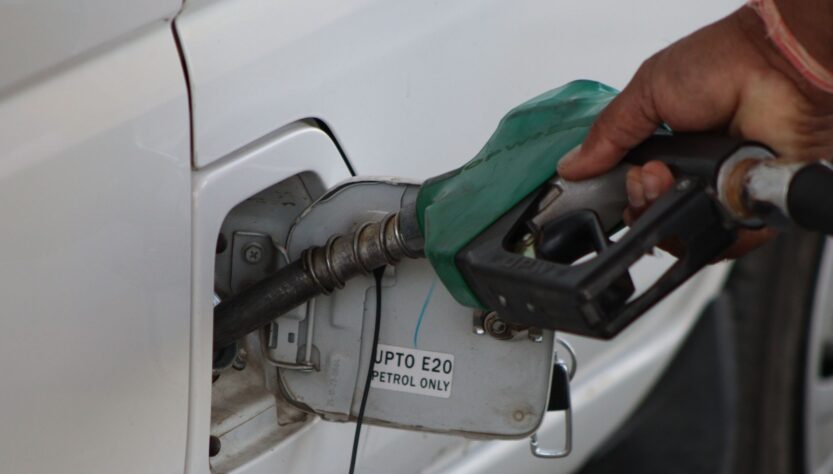
E20 petrol safety is a critical concern for many vehicle owners. As the debate between Karnataka and Kerala heats up, understanding the implications of ethanol-blended fuel becomes essential.
What is E20 petrol?
E20 petrol is a type of fuel that contains 20% ethanol and 80% gasoline. This blend is designed to reduce carbon emissions and promote the use of renewable resources in the automotive sector. The introduction of E20 petrol aligns with various government initiatives aimed at increasing the percentage of ethanol in fuel to enhance energy security and sustainability.
The use of ethanol in petrol has been a topic of significant debate, particularly in regions like Karnataka and Kerala, where the implementation of E20 petrol has sparked discussions regarding its impact on vehicle performance and safety. Supporters argue that E20 petrol can lead to a decrease in greenhouse gas emissions, thereby contributing positively to the environment. However, critics raise concerns about the compatibility of this blend with older vehicles, which may not be designed to handle higher ethanol concentrations.
When considering E20 petrol safety, it is essential for car owners to check their vehicle’s compatibility with this fuel type. Many manufacturers have begun to adapt their engines to support ethanol-blended fuels, but older models may face issues such as fuel system corrosion or engine wear. Therefore, understanding the implications of using E20 petrol is crucial for making an informed decision about fuel choices.
Pros and cons of ethanol-blended fuel
The debate over E20 petrol safety has brought attention to the pros and cons of using ethanol-blended fuel in vehicles. Understanding these advantages and disadvantages can help car owners make informed decisions.
- Pros:
- Reduced emissions: E20 petrol can lead to lower carbon emissions compared to traditional fuels, contributing to environmental sustainability.
- Cost-effective: Ethanol is often cheaper than conventional petrol, which can result in savings for consumers at the pump.
- Renewable resource: Ethanol is derived from plant materials, making it a more renewable option than fossil fuels.
- Cons:
- Compatibility issues: Some older vehicles may not be designed to handle E20 petrol, potentially leading to engine problems.
- Fuel economy: Ethanol has a lower energy content than petrol, which can decrease fuel efficiency.
- Corrosion risk: Ethanol can attract moisture and may cause corrosion in certain fuel system components, posing a risk to long-term vehicle health.
Ultimately, weighing these pros and cons is crucial for drivers considering the switch to E20 petrol.
E20 petrol safety: Expert opinions
Experts have weighed in on the safety of E20 petrol, emphasizing the importance of understanding its implications for vehicle performance and engine health. As the debate continues, many automotive specialists highlight both potential benefits and concerns associated with this ethanol-blended fuel.
According to Dr. Ravi Kumar, a renowned automotive engineer, “E20 petrol safety largely depends on the vehicle’s age and design. Most modern cars are equipped to handle higher ethanol blends, but older models may experience issues.” He suggests that drivers should consult their vehicle’s manufacturer to determine compatibility.
In contrast, environmentalists argue that E20 petrol can significantly reduce greenhouse gas emissions. “Transitioning to ethanol-blended fuels is a step towards sustainability,” notes environmental scientist Dr. Anita Rao. However, she cautions that the adoption should be gradual to allow consumers to adapt.
Consumer sentiment is mixed, with many car owners expressing concern over the long-term effects of E20 on their engines. “I worry it might cause corrosion or affect fuel efficiency,” shares Rajesh, a long-time car owner.
Ultimately, the consensus among experts is to stay informed and consider personal vehicle needs before making the switch to E20 petrol.
State responses: Karnataka vs Kerala
The ongoing debate surrounding E20 petrol safety has led to varying responses from the states of Karnataka and Kerala. Both states are assessing the implications of adopting ethanol-blended fuel in their respective automotive markets.
Karnataka has shown a proactive approach, with the state government encouraging the adoption of E20 petrol. Officials argue that the transition can contribute to reducing pollution and dependence on fossil fuels. A spokesperson from the Karnataka Transport Department stated, “E20 petrol safety has been thoroughly evaluated, and studies indicate that vehicles compatible with this blend can run without significant issues.”
In contrast, Kerala has taken a more cautious stance. The state government has raised concerns about the potential impact on older vehicles and the lack of widespread awareness among consumers. A senior official from Kerala’s Motor Vehicles Department noted, “We are prioritizing the safety of our citizens. Until we have comprehensive data proving the safety and compatibility of E20 petrol for all vehicles, we will proceed with caution.”
As both states navigate this complex issue, the automotive industry and consumers remain eager for clarity on the long-term implications of E20 petrol safety and its viability in their vehicles.
Future of fuel: Alternatives to E20
As the automotive industry evolves, the push for more sustainable fuel options has led to a surge in alternatives to E20 petrol. Many drivers and manufacturers are exploring various fuels that could serve as viable substitutes while maintaining safety and performance.
- Hydrogen Fuel Cells: This technology uses hydrogen to produce electricity, emitting only water vapor as a byproduct. It offers a clean alternative but requires significant infrastructure development for widespread adoption.
- Battery Electric Vehicles (BEVs): BEVs operate solely on electricity stored in batteries. With advancements in battery technology, these vehicles are becoming more efficient and have longer ranges, appealing to environmentally conscious consumers.
- Compressed Natural Gas (CNG): CNG is an alternative that burns cleaner than traditional petrol and diesel. Its use can significantly reduce greenhouse gas emissions, making it a popular choice in urban areas.
- Biofuels: Beyond E20 petrol, other biofuels derived from various organic materials are emerging. These can offer similar benefits while still aligning with sustainability goals.
While E20 petrol safety remains a concern for many, exploring these alternatives may provide drivers with options that align more closely with their environmental values and vehicle compatibility.
When considering E20 petrol safety, it’s crucial to evaluate how your vehicle’s engine may respond to this higher ethanol blend. Understanding E20 petrol safety can help you make an informed decision about whether it’s the right choice for your car.
Photo by Fahad Puthawala on Pexels
Sources
Related stories
Ramayana Box Office: Best Proven Records from Opening Weekend · Tuya third quarter results: Clear insights on financial trends · Ramayana box office collections: Is it the best weekend ever?