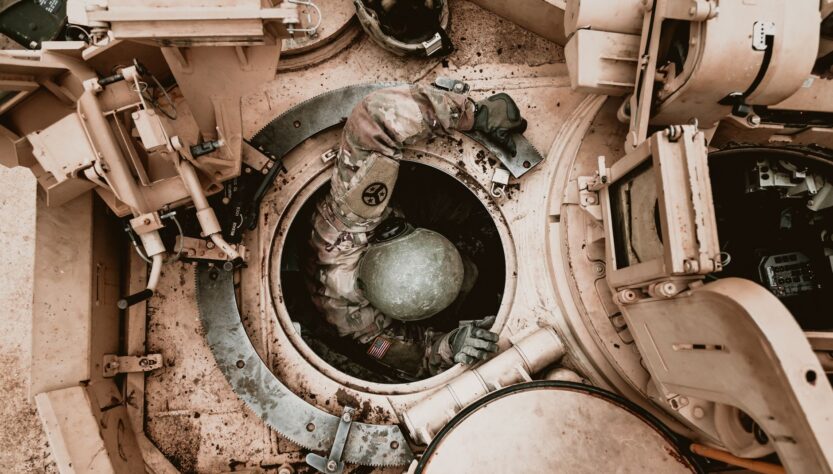
Iron Gate task force is a new initiative launched by the US to choke Iran’s land routes used for shipping weapons. This strategic move aims to enhance regional security and curb illicit activities.
Overview of the Iron Gate task force
The Iron Gate task force has been established as a strategic initiative aimed at countering Iran’s influence and curbing its ability to transport weapons across land routes. This multi-faceted approach involves collaboration among various government agencies and international partners to enhance security in the region.
The primary goals of the Iron Gate task force include:
- Monitoring land routes: Continuous surveillance to identify and disrupt arms shipments.
- Strengthening partnerships: Collaborating with regional allies to share intelligence and resources.
- Implementing sanctions: Enforcing economic measures against entities that facilitate weapon transfers.
- Public awareness: Educating stakeholders about the risks associated with Iran’s activities.
This comprehensive strategy positions the Iron Gate task force as a crucial player in the ongoing efforts to minimize the threat posed by Iran and ensure stability in the region.
Objectives of the task force
The Iron Gate task force has been established with several key objectives aimed at countering Iran’s influence and disrupting its logistics. These goals are designed to address the growing concerns surrounding Iran’s activities in the region and to enhance security measures.
- Disruption of Supply Chains: One of the primary objectives is to identify and disrupt the land routes used by Iran to transport weapons and other military supplies.
- Intelligence Sharing: The task force aims to foster collaboration among allied nations to share critical intelligence regarding Iranian movements and operations.
- Enhanced Surveillance: Increasing surveillance capabilities in key areas will help monitor and intercept illicit activities associated with Iran.
- Diplomatic Engagement: Engaging in diplomatic efforts with regional partners is essential for strengthening collective responses to Iranian threats.
Through these objectives, the Iron Gate task force seeks to establish a comprehensive strategy to limit Iran’s operational capabilities and ensure regional stability.
Impact on Iran’s operations
The Iron Gate task force aims to significantly disrupt Iran’s operations, particularly its ability to transport weapons and resources across the region. By targeting key land routes, the task force seeks to create a choke point that will hinder the flow of military supplies to Iranian proxies and allies. This strategy is expected to have several critical impacts:
- Reduced Mobility: Limiting access to vital transit corridors will restrict Iran’s capability to move arms swiftly.
- Increased Costs: Disruptions in supply lines will escalate operational costs for Iranian forces and their affiliates.
- Enhanced Intelligence Gathering: The task force will improve surveillance and intelligence capabilities in these regions, allowing for better monitoring of Iran’s movements.
- Deterrence: The presence of the Iron Gate task force will serve as a deterrent to further Iranian aggression.
Through these measures, the Iron Gate task force is poised to significantly impact Iran’s operational effectiveness.
International reactions to the initiative
International reactions to the Iron Gate task force have varied, reflecting the complexities of global politics. Many Western nations have expressed strong support, viewing the initiative as a necessary step to curtail Iran’s influence and disrupt its logistics for weapon shipments.
Countries in the European Union have particularly emphasized the importance of collective action, with some leaders stating that the task force aligns with their broader strategy of countering Iranian aggression.
However, reactions from Middle Eastern nations have been mixed. While some allies of the United States have welcomed the initiative, others have raised concerns about potential escalation in tensions. Iran has vehemently opposed the task force, labeling it an act of aggression and asserting that such measures will not deter its operations.
As discussions continue, the effectiveness of the Iron Gate task force will likely depend on international cooperation and the diplomatic responses it generates.
Future implications for US-Iran relations
The establishment of the Iron Gate task force signals a significant shift in the U.S. approach to its relations with Iran. As the task force aims to disrupt Iran’s land routes for weapon shipments, the implications for diplomatic engagement are profound.
Future U.S.-Iran relations may be shaped by the following factors:
- Increased Tensions: The Iranian government may perceive the task force as a direct threat, leading to heightened military and political confrontations.
- Negotiation Challenges: Trust issues may complicate any future negotiations, as Iran could view the initiative as an aggressive posture rather than a strategic maneuver.
- Regional Alliances: The task force may prompt Iran to strengthen ties with its regional allies, counteracting U.S. efforts and shifting the balance of power.
Ultimately, the Iron Gate task force could redefine not only U.S.-Iran relations but also the broader dynamics of security in the Middle East.
Photo by Art Guzman on Pexels