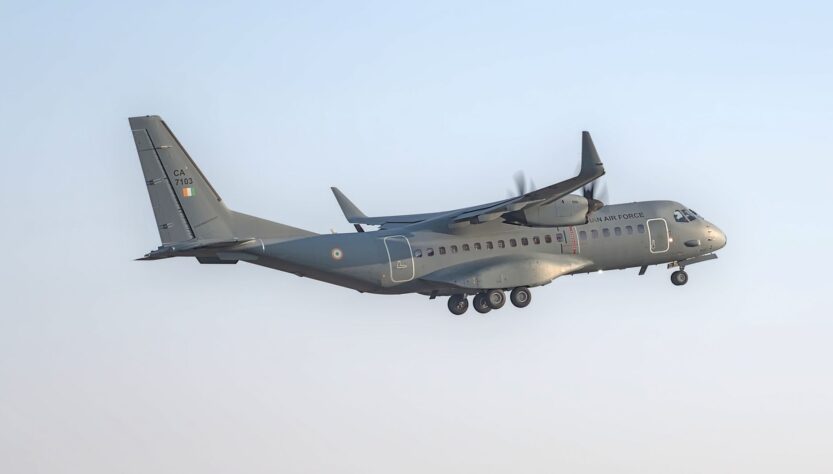
The Indian Air Force landing at 13,629 feet marks a historic achievement in aviation. This incredible feat was accomplished by the IL-76MD aircraft in the challenging terrain of Ladakh.
Historic IL-76MD Landing in Ladakh
The Indian Air Force achieved a remarkable milestone with the historic landing of the IL-76MD aircraft at an altitude of 13,629 feet in Ladakh. This event marks a significant advancement in the operational capabilities of the Indian Air Force, showcasing its prowess in challenging terrains.
The landing, which took place in a region known for its extreme weather conditions and high altitude, is a testament to the skill and training of the pilots involved. The IL-76MD, a versatile military transport aircraft, is designed to operate in various environments, making it an invaluable asset for the Indian Air Force.
Several key factors contributed to the success of this operation:
- Altitude Proficiency: The ability to land at such a high altitude demonstrates the aircraft’s capabilities and the crew’s expertise.
- Strategic Importance: This achievement enhances logistics and transport options for the Indian military in the region.
- Team Coordination: The successful mission was a result of meticulous planning and coordination among various units of the Indian Air Force.
The significance of this Indian Air Force landing cannot be overstated, as it sets a new benchmark for future operations in high-altitude areas, ensuring that the armed forces remain prepared and agile in diverse environments.
Significance of the Indian Air Force Achievement
The recent achievement of the Indian Air Force in successfully landing an IL-76MD aircraft at a staggering altitude of 13,629 feet in Ladakh marks a significant milestone in aviation history. This landmark event not only showcases the technical prowess of the Air Force but also enhances the strategic readiness of India in high-altitude areas.
The significance of the Indian Air Force landing can be understood through several key points:
- Enhanced Operational Capability: This record-setting landing demonstrates the ability of the Indian Air Force to operate effectively in challenging environments, ensuring logistics and supplies can reach remote areas.
- Strategic Importance: Ladakh’s geographical position is crucial for national security. The successful landing strengthens India’s military presence in this sensitive region.
- Technological Innovation: The achievement reflects advancements in aircraft technology and training, allowing operations in extreme conditions that were previously deemed impossible.
- International Recognition: Such accomplishments put India on the global aviation map, highlighting the capabilities of its armed forces and fostering international partnerships.
Overall, the IL-76MD landing serves as a testament to the resilience and determination of the Indian Air Force, reinforcing its role as a cornerstone of national defense.
Challenges of High-Altitude Landings
The challenges of high-altitude landings are numerous and complex, particularly in the rugged terrain of Ladakh. The Indian Air Force’s recent achievement of landing the IL-76MD at an altitude of 13,629 feet showcases their exceptional capabilities and the rigorous training required to overcome these hurdles.
One of the primary challenges is the reduced air density at high altitudes, which affects both lift and engine performance. Pilots must be highly skilled to maneuver aircraft under these conditions, where every decision is crucial. The IL-76MD, with its heavy payload capacity, demands precise calculations and adjustments to ensure a successful landing.
Additionally, the unpredictable weather patterns in the region can pose significant risks. Sudden changes in wind speed and direction can affect the stability of the aircraft during approach and landing phases.
Furthermore, the geographical features, including mountainous terrain and limited visibility, add to the complexity of operations. The Indian Air Force has invested in advanced technology and rigorous training programs to prepare their personnel for such demanding conditions.
In summary, the successful Indian Air Force landing in Ladakh is not merely a testament to the aircraft’s capabilities but also highlights the skills and determination of the pilots who navigate these formidable challenges.
Technological Innovations in Aviation
The Indian Air Force has consistently demonstrated its commitment to advancing aviation technology, particularly in the challenging terrain of Ladakh. This region, characterized by its high-altitude conditions, necessitates innovative solutions for successful flight operations. The historic IL-76MD landing at an elevation of 13,629 feet is a testament to these technological advancements.
Key innovations that have played a significant role in enhancing the capabilities of the Indian Air Force include:
- Advanced Navigation Systems: Cutting-edge GPS and inertial navigation systems have improved accuracy and reliability during critical landings.
- Enhanced Aircraft Performance: Modifications in engine technology allow aircraft to perform efficiently in thin air, ensuring safe operations in high-altitude environments.
- Weather Prediction Tools: Sophisticated meteorological tools assist pilots in making informed decisions, crucial for safety in unpredictable weather conditions.
- Training Programs: Continuous training for pilots and ground crew on high-altitude operations ensures preparedness for any challenges faced during missions.
These technological innovations not only contribute to the success of the Indian Air Force landing in Ladakh but also set new benchmarks for aviation capabilities globally. As the Indian Air Force looks to the future, continued investment in technology will be essential for maintaining its operational edge in challenging environments.
Reactions from Aviation Experts
Following the historic IL-76MD landing at 13,629 feet in Ladakh, aviation experts have expressed their admiration and recognition of the Indian Air Force’s remarkable achievement. Many have pointed out that this landing not only showcases the operational capabilities of the IAF but also highlights the advancements in aviation technology.
Dr. Anil Kumar, an aerospace engineer, stated, “The ability of the IL-76MD to perform in such challenging conditions demonstrates the rigorous training and preparedness of the Indian Air Force. It sets a new benchmark for high-altitude operations.”
Another expert, Captain Ramesh Singh, added, “This landing is a testament to the evolution of aircraft design and the IAF’s commitment to overcoming geographical challenges. It reinforces India’s strategic airlift capabilities in the region.”
Several experts emphasized the significance of this achievement in enhancing national security. Dr. Priya Desai, a security analyst, remarked, “The Indian Air Force landing at such an altitude establishes a strong presence in Ladakh, which is crucial for monitoring and responding to regional threats.”
Overall, the reactions from aviation experts underline the importance of this event in showcasing the Indian Air Force’s operational excellence and dedication to serving the nation in challenging environments.
Future Implications for Military Operations
The successful landing of the Indian Air Force’s IL-76MD at an altitude of 13,629 feet in Ladakh marks a significant milestone with far-reaching implications for future military operations. This achievement not only showcases the advanced capabilities of the Indian Air Force but also sets a new standard for high-altitude aviation. With the ability to land heavy transport aircraft in such challenging environments, the IAF can enhance its logistical support and operational readiness in remote regions.
Moreover, this landmark event demonstrates the potential for rapid deployment of troops and supplies during humanitarian missions and combat situations alike. As regional tensions continue to evolve, the Indian Air Force landing could serve as a strategic advantage, allowing for quicker response times in critical scenarios.
Additionally, the success of this operation is likely to encourage further investments in research and development, focusing on improving aircraft performance in extreme conditions. The lessons learned from this historic landing can be applied to future military training and operational planning, ensuring that the IAF remains at the forefront of modern aerial warfare.
In conclusion, the implications of this achievement extend beyond the immediate operational capabilities; they highlight the importance of adaptability and innovation in military aviation, paving the way for more ambitious missions in the high-altitude regions of India and beyond.
The recent Indian Air Force landing in Ladakh has showcased the strategic capabilities of the military in challenging terrains. This successful operation marks a significant milestone, reinforcing the importance of the Indian Air Force landing in securing the region.
Photo by Aseem Borkar on Pexels