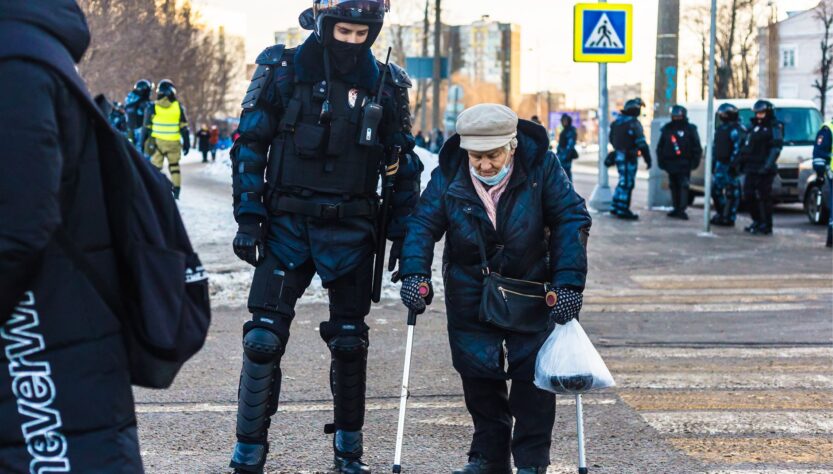
The Russian officer helps Ukraine by providing crucial intelligence that led to the deaths of 300 soldiers. This startling revelation has sent shockwaves through military circles.
The Role of Defectors in Warfare
In the complex landscape of modern warfare, the role of defectors has become increasingly significant. These individuals, often risking their lives, can provide crucial intelligence and support to opposing forces. A recent report highlights a remarkable case of a Russian officer who helped Ukraine, revealing the profound impact that such actions can have on the battlefield.
This officer reportedly assisted in the targeting of approximately 300 Russian soldiers, showcasing how information from defectors can shift the tide of conflict. The willingness to aid Ukraine demonstrates not only a personal choice but also a broader trend among military personnel disillusioned with their government’s actions.
Defectors like this officer can offer insights into enemy strategies, troop movements, and logistical weaknesses. As more individuals choose to abandon their posts and support opposing sides, the dynamics of warfare continue to evolve. The implications of these decisions are significant, potentially altering the course of battles and influencing the overall outcome of conflicts.
- Intelligence sharing
- Psychological impact on troops
- Shifts in military strategy
Understanding Military Defections
The phenomenon of military defections has long been a critical aspect of warfare, influencing outcomes and shifting allegiances. In recent events, a Russian officer helps Ukraine, shedding light on the complex motivations behind such actions.
Defectors often cite various reasons for their decision to leave their post, including:
- Moral objections: Many soldiers struggle with orders that conflict with their personal ethics.
- Political beliefs: Some may disagree with the objectives of their government, leading them to seek asylum with opposing forces.
- Desire for survival: In dire situations, the instinct to survive can drive individuals to defect.
- Erosion of trust: A loss of faith in leadership or the military’s objectives can prompt officers to reconsider their loyalties.
The recent case of a Russian officer helping Ukraine exemplifies how individual choices can have significant ramifications on the battlefield, potentially altering the course of conflicts and highlighting the unpredictable nature of military loyalty.
Russian Officer’s Escape to Kyiv
In a remarkable turn of events, a Russian officer has reportedly helped Ukraine in a significant military operation, contributing to the deaths of approximately 300 soldiers from his own country. This unexpected betrayal has sent shockwaves through military circles, highlighting the growing trend of military defections during times of conflict.
The officer’s journey to Kyiv was fraught with danger, as he navigated through the chaos of war zones and the risks posed by his former comrades. His decision to assist Ukraine not only underscores the personal conviction that can drive such actions but also raises questions about loyalty and the moral dilemmas faced by soldiers in combat.
According to sources, the officer had been disillusioned with the motives behind the war, prompting him to take a stand against the actions of his own military. His escape to Kyiv marks a pivotal moment, illustrating how individual choices can impact the larger narrative of warfare. As the conflict continues, the role of defectors, like this Russian officer who helps Ukraine, becomes increasingly relevant in shaping the future of the region.
Impact on Ukraine’s Military Strategy
The recent revelation of a Russian officer who helps Ukraine has sparked significant interest in military strategy and the dynamics of warfare. This defection not only highlights the complexities within the Russian military but also presents an opportunity for Ukraine to enhance its operational capabilities.
Experts suggest that the information provided by the officer can lead to strategic advantages, including:
- Intelligence Gathering: Access to vital information about Russian troop movements and strategies.
- Psychological Impact: Undermining morale among Russian soldiers as defections gain attention.
- Targeted Operations: Improved ability to execute precise strikes against key military assets.
Furthermore, the officer’s insights into Russian military protocols may facilitate the training of Ukrainian forces, enabling them to anticipate and counter tactics employed by their adversaries. As Ukraine continues to adapt its military strategy, the contributions of defectors like this Russian officer who helps Ukraine could prove pivotal in shifting the balance of power in the ongoing conflict.
Reactions from Russian Authorities
In the wake of the shocking revelation that a Russian officer helps Ukraine in its ongoing conflict, reactions from Russian authorities have been swift and severe. Many officials have expressed outrage at the defection, viewing it as a betrayal of the military and the state. Statements from the Kremlin have underscored the need for loyalty among servicemen, labeling the officer’s actions as treasonous.
Furthermore, the Russian Ministry of Defense has launched an internal investigation to determine the circumstances surrounding the officer’s escape and subsequent support for Ukrainian forces. This response highlights the growing concern within the Russian military regarding defections and the potential for future incidents.
Experts believe that this incident could have wider implications, potentially leading to increased scrutiny of officers’ loyalty and a crackdown on dissent within the ranks. As the situation unfolds, many are watching closely to see how this defection will influence morale among Russian soldiers and affect recruitment efforts in the long term.
The Consequences of Betrayal
The recent actions of the Russian officer who helped Ukraine have raised significant questions regarding loyalty, trust, and the consequences of betrayal within military ranks. As defections become more common, the implications for both sides are profound.
Many military analysts believe that such betrayals can weaken a country’s defense capabilities. The officer’s decision to assist Ukraine led to the reported deaths of 300 Russian soldiers, a striking blow to morale. This action not only fuels further defections but also instills fear among those still in service.
In the wake of these events, Russian authorities have vowed to penalize defectors harshly, aiming to deter similar actions in the future. The fallout from this betrayal extends beyond immediate military losses; it can create a ripple effect that influences the very fabric of loyalty within the ranks.
As the conflict continues, the story of this Russian officer who helps Ukraine may become a symbol of resistance and a catalyst for change, prompting more soldiers to reconsider their allegiance in a time of war.
Key Events Leading to the Defection
The recent defection of a Russian officer, who reportedly provided critical intelligence to Ukrainian forces, has sent shockwaves through both the Russian military and the international community. Key events leading to this dramatic escape include:
- Growing Discontent: The officer, disillusioned by the ongoing conflict and the toll it was taking on soldiers, began to question orders from his superiors.
- Seizing Opportunities: As Ukraine strengthened its defenses, the officer recognized a unique opportunity to assist in planning operations against Russian troops.
- Strategic Planning: He meticulously gathered intelligence over several months, ultimately leading to the deaths of approximately 300 Russian soldiers.
- Initial Contact: After establishing communication with Ukrainian commanders, he executed a plan to defect, risking his life in the process.
- Successful Escape: The officer’s journey to Kyiv was fraught with danger, but his commitment to aiding Ukraine proved stronger than his fear of retribution.
This extraordinary tale of a Russian officer helps Ukraine underscores the complexities of warfare and loyalty.
Future Implications for the Conflict
The recent escape of a Russian officer who helped Ukraine has raised significant questions about the future implications for the ongoing conflict. As the war continues to evolve, the actions of defectors may play a crucial role in shaping military strategies on both sides.
With this event highlighting the potential for collaboration between former adversaries, it may inspire others within the Russian military to consider similar paths. The officer’s decision could encourage additional defections, leading to a shift in intelligence dynamics and operational capabilities.
Moreover, the willingness of this officer to assist Ukraine in combat operations has the potential to demoralize Russian troops, who may begin to question their loyalty to the cause. As defections increase, the internal cohesion of the Russian military could weaken further, impacting their overall effectiveness.
Additionally, the consequences of such alliances may force Russia to reevaluate its strategies in the field, as they confront the reality that not all personnel are committed to their mission. The long-term effects of this incident could be far-reaching, altering the landscape of the conflict.
The incredible story of how a Russian officer helps Ukraine has captured the attention of many around the world. As details emerge, it becomes clear that this act of defiance could inspire others to follow suit.
Photo by Vladimir Chake on Pexels
Sources
Related reading
Exynos-powered Galaxy S27 Ultra: The Worst Snapdragon Shift · India Coal Power Plants: The Real Shortage Explained · Musk Business Politics: What’s the Real Impact?