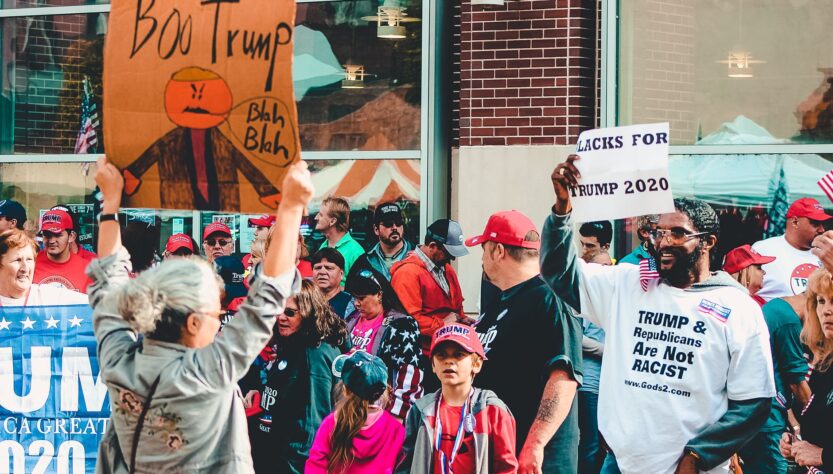
GOP breaking with Trump marks a pivotal moment in American politics. This shift reflects growing discontent among Republican leaders and voters alike.
Background on GOP and Trump
The relationship between the GOP and former President Donald Trump has been tumultuous since he first entered the political arena. Initially, Trump galvanized the Republican Party, drawing in a significant number of voters and energizing the base. However, as his presidency progressed, divisions began to surface within the party.
Several factors have contributed to the current trend of the GOP breaking with Trump:
- Electoral Performance: After the 2020 elections, many Republicans were disappointed with the party’s performance, particularly in key battleground states. This has led some party members to question Trump’s influence on the party’s brand.
- Public Perception: Trump’s controversial statements and actions have polarized voters. Many GOP leaders fear that his continued prominence could alienate moderate and independent voters, which are crucial for future elections.
- Party Unity: As the GOP looks to regain control in upcoming elections, some members believe that distancing themselves from Trump could foster a more unified front and attract a broader coalition of voters.
As the GOP navigates this new landscape, the tension between traditional party values and Trump’s populist approach remains a critical topic of discussion. The ongoing shifts in strategy reflect the party’s efforts to redefine its identity in the post-Trump era.
Current Republican sentiments
Current Republican sentiments towards former President Donald Trump are undergoing a significant transformation. As the GOP faces multiple challenges, party leaders and voters alike are beginning to reassess their allegiance to Trump, leading to discussions around the GOP breaking with Trump.
Several factors contribute to this shift in sentiment:
- Electoral Performance: Recent election results have raised concerns among GOP members about Trump’s impact on their chances of winning in future contests. Many believe that his polarizing presence may alienate moderate voters.
- Legal Troubles: Trump’s ongoing legal issues, including investigations and indictments, are distracting the party from its core message and could hinder its ability to campaign effectively.
- Desire for New Leadership: A faction within the GOP is calling for fresh faces and ideas, suggesting that the party may be ready to move beyond Trump’s era. This is evident in the rising popularity of alternative candidates who promise to unite the party.
- Policy Disagreements: Diverging views on key issues, including immigration and healthcare, are also fueling debates about the party’s direction, with some members advocating for a return to traditional conservative principles.
As these sentiments evolve, the GOP’s future direction remains uncertain, and the potential for a definitive break with Trump could reshape the party landscape in the months to come.
Impact on the 2024 elections
The shifting dynamics within the Republican Party could have significant implications for the 2024 elections. As the GOP finds itself breaking with Trump, party leaders are increasingly concerned about the impact of his unpopularity on electoral success.
Several factors contribute to this shift:
- Electoral Viability: Many Republican strategists argue that aligning with Trump may alienate moderate voters, a crucial demographic in key battleground states.
- Changing Voter Demographics: The Republican Party is facing a demographic shift, with younger voters and more diverse populations expressing discontent with Trump’s divisive rhetoric.
- Legal Troubles: Trump’s ongoing legal challenges could further damage his standing within the GOP, prompting some party members to seek alternative candidates who can unite the base and appeal to a broader electorate.
- Desire for New Leadership: A faction within the party is advocating for new leadership that reflects contemporary issues and can rejuvenate the party’s image.
As these dynamics unfold, the GOP’s strategy for the upcoming elections will be critical. How effectively the party can distance itself from Trump, while maintaining the loyalty of his base, remains a pressing concern for Republican candidates.
Key GOP figures speaking out
In recent weeks, several key GOP figures have publicly expressed their concerns over the party’s alignment with Donald Trump, signaling a significant shift in Republican dynamics. These voices highlight a growing unease within the party regarding Trump’s influence and the implications for future elections.
- Senator Mitt Romney has been vocal about the need for the GOP to reclaim its values, stating, “We cannot win in 2024 by clinging to an unpopular Trump.” His comments resonate with party members who fear that Trump’s divisive politics may alienate moderate voters.
- Former House Speaker Paul Ryan echoed similar sentiments, emphasizing the importance of focusing on policies that unite rather than divide. He remarked, “The future of the GOP depends on our ability to move beyond the Trump era.”
- Governor Chris Sununu of New Hampshire has also been critical, saying that the party must look for candidates who can resonate with a broader audience. “We need to break from the past and offer a fresh vision,” he asserted.
These statements reflect a significant shift, as prominent GOP members begin to distance themselves from Trump. The implications of this breaking with Trump could reshape the Republican Party’s strategy heading into the 2024 elections, as leaders push for unity and a return to traditional conservative values.
Public opinion on Trump
As the GOP breaking with Trump becomes more pronounced, public opinion plays a crucial role in shaping the future of the party. Recent polls indicate that a significant portion of the Republican base is increasingly wary of Trump’s influence and his ability to unite the party ahead of the upcoming elections.
According to a survey conducted by a prominent polling organization, only 38% of registered Republican voters view Trump favorably, a stark contrast to his approval ratings in previous election cycles. This decline can be attributed to several factors:
- Electoral Performance: Many GOP members believe Trump’s controversial statements and actions have alienated moderate voters, leading to losses in key races.
- Legal Challenges: Ongoing legal issues surrounding Trump have raised concerns among voters about the potential implications for the party’s image.
- Desire for New Leadership: A faction within the party is advocating for fresh faces and ideas, distancing themselves from Trump’s established persona.
As these sentiments grow, it becomes evident that the GOP’s shifting stance is not solely a reaction to Trump’s controversies, but a strategic move to realign with a changing electorate. The future of the Republican Party may hinge on its ability to navigate this delicate balance between loyalty to Trump and the demands of an evolving voter base.
Historical context of party shifts
The historical context of party shifts within the GOP reveals a pattern of realignment that often stems from broader societal changes and internal conflicts. Over the decades, the Republican Party has experienced significant transformations, particularly in response to shifting voter demographics and evolving national priorities.
One notable example occurred in the 1960s, when the GOP began to distance itself from its traditional base in response to civil rights movements. This pivot attracted a new coalition of voters who aligned more closely with the party’s emerging conservative values. Similarly, the party’s alignment with evangelical Christians in the 1980s marked another critical shift, as moral issues became paramount in its platform.
Fast forward to the present, and we see the GOP breaking with Trump amid increasing dissatisfaction among party members regarding his leadership style and policies. This latest shift can be attributed to several factors:
- Changing voter demographics: As younger, more diverse voters enter the electorate, their priorities often clash with Trump’s agenda.
- Internal divisions: Long-standing rifts within the party are becoming more pronounced, leading some to seek a return to traditional conservative values.
- Electoral strategy: With the 2024 elections approaching, many GOP leaders are reconsidering their positions to appeal to a broader base.
This evolving landscape suggests that the GOP breaking with Trump may be a pivotal moment in its ongoing narrative.
Future of the Republican Party
The future of the Republican Party appears to be in flux as the GOP is breaking with Trump, reflecting a significant shift in strategy and ideology. This transformation raises questions about the party’s direction and its ability to unite in the coming years.
Several factors contribute to this evolving landscape:
- Changing Demographics: The Republican base is diversifying, with younger voters and minority groups increasingly demanding a party that resonates with their values and concerns.
- Shifts in Policy Focus: Many GOP leaders are advocating for policies that address contemporary issues such as climate change, healthcare, and economic inequality, moving away from Trump’s agenda.
- Electoral Viability: With the 2024 elections on the horizon, party strategists recognize that a continued alignment with Trump may alienate moderate voters and jeopardize key races.
- Internal Party Dynamics: As influential GOP figures publicly distance themselves from Trump, a power struggle may emerge, reshaping the party’s leadership and priorities.
As the GOP navigates this pivotal moment, the challenge will be finding common ground while appealing to a broader electorate. The future of the Republican Party hinges on its ability to redefine itself and address the changing political landscape in America.
Reactions from Trump supporters
The recent shift among Republican leaders distancing themselves from former President Donald Trump has sparked a significant reaction among his supporters. Many loyalists express confusion and disappointment at the GOP breaking with Trump, viewing it as a betrayal of the movement he inspired.
- Frustration over loyalty: Supporters argue that the GOP should remain loyal to Trump, who galvanized a substantial base during his presidency. They believe that abandoning him could alienate a critical segment of voters.
- Concerns about the future: Trump enthusiasts fear that distancing from him could weaken the party’s chances in upcoming elections. They argue that his influence is still vital for mobilizing voters and maintaining enthusiasm.
- Disputes over leadership direction: Many Trump supporters contend that the GOP should follow his populist agenda rather than revert to traditional conservative principles. They feel that the party’s leadership is out of touch with the grassroots sentiments driving the base.
- Calls for unity: In response to the GOP breaking with Trump, some supporters are actively calling for unity among the party’s factions, urging leaders to come together in support of Trump’s policies and vision.
As the party navigates this tumultuous path, the reactions from Trump’s base will undoubtedly play a crucial role in shaping the future trajectory of the Republican Party.
The recent GOP breaking with Trump signals a significant shift in the party’s strategy as they seek to regain control over their narrative. Many party leaders believe that the GOP breaking with Trump is essential for attracting moderate voters in upcoming elections.
Photo by Rosemary Ketchum on Pexels
Read the original
Kashmir issue UNGA: Erdogan’s Clear Call for Dialogue · Trump Jr. Hunter Biden Investigations: The Real Issues · 200-Megapixel Cameras: Oppo’s New Phone is a Game Changer