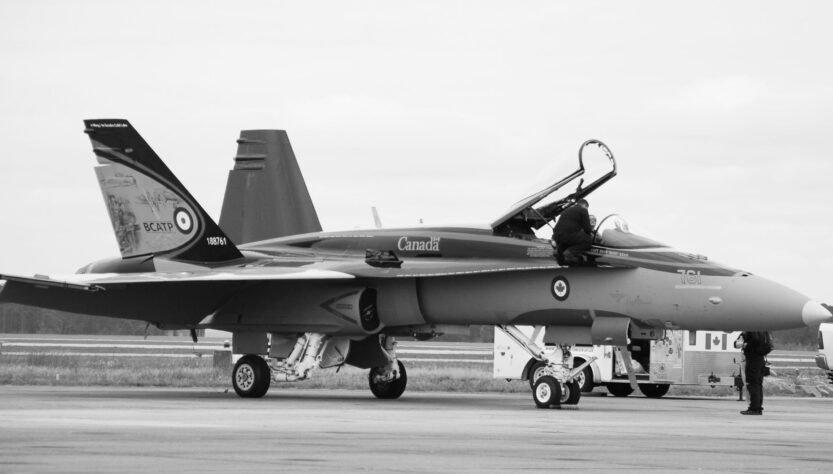
The Canadian fighter pilot is now in charge of the RCAF deal, a significant shift following critical remarks about the U.S. F-35 stealth aircraft.
Background on the F-35 Controversy
The controversy surrounding the F-35 fighter jet has been a hot topic within military circles and the public domain. Critics, including a notable Canadian fighter pilot, have voiced concerns regarding the aircraft’s performance and suitability for the Royal Canadian Air Force (RCAF). Despite these criticisms, the Canadian government remains committed to acquiring the F-35 as part of its modernization efforts.
As the RCAF navigates this contentious landscape, the opinions of seasoned pilots play a crucial role in shaping policy decisions. Some argue that the F-35’s advanced technology and capabilities outweigh the criticisms, while others emphasize the need for a thorough evaluation to ensure the best choice for Canada’s defense needs.
The recent appointment of a Canadian fighter pilot who has previously expressed skepticism about the F-35 to a leadership position further complicates the narrative. This pilot’s insights are expected to influence the RCAF’s approach as the deal progresses, making it a focal point for ongoing discussions regarding Canada’s military future.
The Role of the Canadian Fighter Pilot
The increasing complexity of modern aerial warfare has underscored the crucial role of the Canadian fighter pilot within the Royal Canadian Air Force (RCAF). As the nation transitions to advanced aircraft like the F-35, the expertise and decision-making skills of these pilots become paramount.
Canadian fighter pilots are tasked with a variety of responsibilities, including:
- Combat Readiness: Ensuring that they are prepared to respond to any threats, both domestically and internationally.
- Technical Proficiency: Mastering the advanced technology that comes with modern fighter jets.
- Strategic Operations: Participating in joint missions and exercises with allied forces to enhance interoperability.
The recent appointment of a Canadian fighter pilot to oversee the RCAF deal signifies a commitment to leveraging local expertise. This pilot’s unique insights into the operational capabilities and limitations of the F-35 will be invaluable as Canada navigates its defense procurement challenges.
Implications for RCAF’s Future
The decision to prioritize the Canadian fighter pilot in the upcoming RCAF deal carries significant implications for the future of the Royal Canadian Air Force. This strategic move not only emphasizes the importance of pilot expertise but also shapes the direction of Canada’s military aviation capabilities.
With the Canadian fighter pilot taking the helm, there are several key considerations:
- Operational Readiness: Enhancing the skills and training of pilots ensures that the RCAF remains prepared for a variety of missions.
- Modernization: Investing in advanced technology and aircraft will keep Canada at the forefront of air combat capabilities.
- International Collaboration: Strengthening ties with allies can lead to improved interoperability and shared resources.
- Public Confidence: A Canadian fighter pilot in charge can boost public trust in the government’s defense strategy.
Ultimately, the choice to promote a Canadian fighter pilot reflects a commitment to excellence and operational superiority within the RCAF.
Key Decisions Ahead for the RCAF
As the Royal Canadian Air Force (RCAF) moves forward with its decision regarding the acquisition of new aircraft, several key decisions lie ahead that will shape the future of Canadian defense. Central to this process is the role of the Canadian fighter pilot, who brings invaluable expertise and insight into the operational needs of the RCAF.
Among the critical decisions to be made are:
- Selection of Aircraft: Evaluating which aircraft best meets the strategic needs of Canada while ensuring pilot safety and operational effectiveness.
- Training Programs: Developing comprehensive training programs that adapt to the new technologies and tactics associated with modern fighter jets.
- Budget Allocation: Ensuring that funding is allocated efficiently to support both procurement and ongoing maintenance of the aircraft.
With the recent leadership change, the Canadian fighter pilot’s perspective will play a crucial role in guiding these decisions, ensuring that the RCAF remains a formidable force in North America and beyond.
Photo by Geo Teynor on Pexels
Sources
Sanctions on Britain: The Real Impact on International Relations · Vostok Oil Project Marks a Major Step Forward for Russia · Pornographic Film — How Pornographic Films Are Regulated in Different Countries