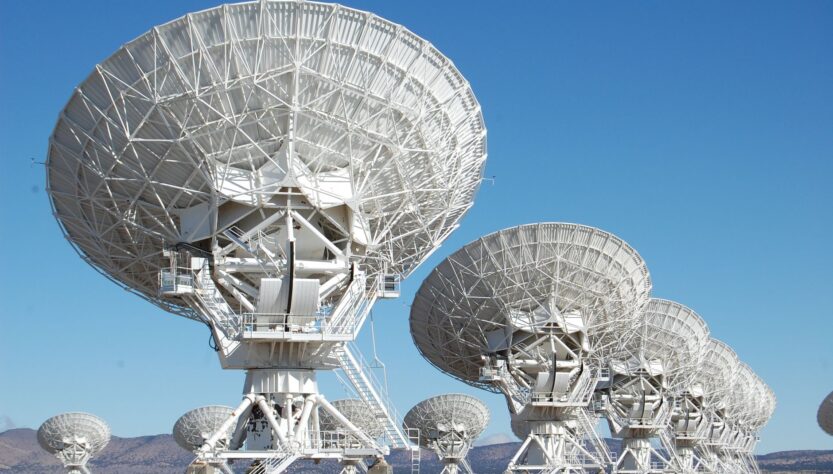
The Berkeley Lab telescope is set to revolutionize the way we observe the cosmos. This innovative instrument promises to deliver unprecedented insights into the universe.
Introduction to the Berkeley Lab Telescope
The Berkeley Lab telescope represents a groundbreaking advancement in astronomical technology, designed to enhance our understanding of the universe. Developed through collaboration among leading scientists and engineers, this innovative instrument is tailored to explore the cosmos with unparalleled precision.
With its state-of-the-art features, the telescope aims to offer insights into various celestial phenomena, including:
- Exoplanet detection and characterization
- Galactic formation and evolution studies
- Dark matter and dark energy exploration
The Berkeley Lab telescope not only enhances observational capabilities but also promises to revolutionize data collection and analysis, making it an essential tool for astronomers worldwide. This initiative underscores the importance of advancing technology to unlock the secrets of the universe.
How the Telescope Works
The Berkeley Lab telescope utilizes cutting-edge technology to enhance astronomical observations. This innovative instrument is equipped with advanced sensors and imaging systems that significantly improve the clarity and detail of celestial images.
At the heart of its functionality are several key components:
- High-Resolution Optics: The telescope features complex lens systems that minimize distortion, providing breathtaking views of distant galaxies.
- Adaptive Optics: This technology compensates for atmospheric turbulence, allowing astronomers to capture sharper images even in less-than-ideal conditions.
- Data Processing Algorithms: The telescope’s sophisticated software analyzes and processes the data collected, enabling researchers to extract meaningful insights from their observations.
With these capabilities, the Berkeley Lab telescope stands as a vital tool for astronomers seeking to explore the universe in unprecedented detail.
Key Features of the Telescope
The Berkeley Lab telescope boasts several innovative features that set it apart from traditional telescopes. Astronomers can expect enhanced capabilities thanks to its advanced technology and design. Key features include:
- Exceptional Resolution: The telescope provides unprecedented clarity, allowing researchers to observe distant celestial bodies in remarkable detail.
- Wide Field of View: With a broader observational range, the Berkeley Lab telescope can capture more of the night sky at once.
- Adaptive Optics: This technology compensates for atmospheric disturbances, ensuring clearer images and more accurate data collection.
- Real-Time Data Processing: The telescope offers instant analysis, enabling astronomers to make swift decisions during observations.
These features position the Berkeley Lab telescope as a groundbreaking tool in the field of astronomy.
Impact on Astronomy
The Berkeley Lab telescope is set to revolutionize the field of astronomy, offering unprecedented capabilities for researchers. Its advanced technology allows astronomers to capture clearer images of distant celestial objects, leading to new discoveries and insights.
One of the most significant impacts is its potential to enhance our understanding of dark matter and dark energy. With the telescope’s powerful sensors, scientists can analyze the universe’s structure in ways previously thought impossible.
In addition, the telescope fosters international collaboration among astronomers. By providing access to high-quality data, researchers from around the globe can work together on projects that push the boundaries of our knowledge.
Key benefits of the Berkeley Lab telescope include:
- Improved image resolution
- Enhanced data analysis capabilities
- Facilitation of global research partnerships
Challenges in Telescope Development
The development of the Berkeley Lab telescope was not without its challenges. Engineers and scientists faced numerous obstacles as they sought to create a groundbreaking tool for astronomers. Among the most significant issues were:
- Technological Limitations: The integration of advanced imaging systems required innovative solutions to overcome existing hardware constraints.
- Funding and Resources: Securing sufficient funding for research and development proved to be a constant struggle, impacting project timelines.
- Collaboration Challenges: Coordinating efforts among various research teams and institutions was essential, yet often complicated by differing goals and priorities.
- Environmental Concerns: Ensuring the telescope’s design minimized its ecological footprint added another layer of complexity to the project.
Despite these hurdles, the Berkeley Lab telescope emerged as a revolutionary tool that promises to enhance our understanding of the universe.
Future of Space Observation
The future of space observation is set to be revolutionized by the Berkeley Lab telescope, which promises to enhance our understanding of the universe significantly. As astronomers continue to push the boundaries of exploration, this advanced instrument will play a pivotal role in various research areas.
One of the key aspects of the Berkeley Lab telescope is its ability to capture unprecedented details of celestial phenomena. This capability will not only facilitate new discoveries but also enable scientists to confirm existing theories about the cosmos.
Additionally, the telescope’s design allows for adaptable upgrades, ensuring that it remains at the forefront of technological advancements. With ongoing collaborations among leading institutions, the Berkeley Lab telescope is poised to become an essential asset in the quest to unravel the mysteries of space.
Collaborations and Partnerships
The development of the Berkeley Lab telescope has been marked by significant collaborations and partnerships among various research institutions and organizations. These alliances have played a crucial role in leveraging expertise and resources, ensuring the telescope’s advanced capabilities.
Key partners include:
- NASA: Providing valuable insights into space exploration needs.
- Caltech: Contributing cutting-edge technology and engineering expertise.
- University of California: Facilitating research and educational initiatives.
Through these collaborations, the Berkeley Lab telescope not only enhances scientific understanding but also fosters a community of astronomers dedicated to pushing the boundaries of space observation. Together, these partnerships aim to unlock new discoveries and deepen our understanding of the universe.
Conclusion and Next Steps
In conclusion, the Berkeley Lab telescope represents a significant advancement in astronomical technology, promising to enhance our understanding of the universe. As researchers continue to refine its capabilities, the potential for groundbreaking discoveries increases. The array of features designed to optimize observation will aid astronomers in tackling some of the most pressing questions about cosmic phenomena.
Looking ahead, the next steps involve extensive testing and calibration to ensure precise functionality. Collaborations with both national and international institutions will be crucial in maximizing the telescope’s potential. Furthermore, educational initiatives will help engage the next generation of scientists, fostering interest in space exploration.
Ultimately, the Berkeley Lab telescope not only embodies cutting-edge technology but also opens new avenues for scientific inquiry and collaboration in the field of astronomy.
Photo by braincontour on Pexels