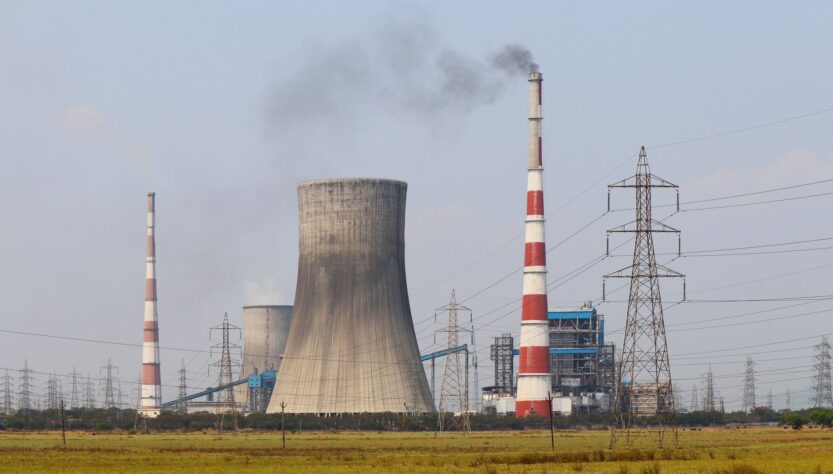
India coal power plants are currently experiencing a significant shortage, raising concerns about energy supply amidst a surplus of coal. This situation has sparked discussions about the underlying issues affecting power generation.
Understanding the Current Energy Crisis
India is currently facing a significant energy crisis, primarily due to a mismatch between coal supply and demand for its coal power plants. Despite having substantial coal reserves, the country is grappling with a shortage that has left power plants struggling to maintain adequate generation levels.
The situation has been exacerbated by several factors:
- Increased Demand: The surge in electricity demand, especially during peak seasons, has outpaced the coal supply available to power plants.
- Logistical Challenges: Transportation and distribution issues have hindered the timely delivery of coal to various regions.
- Stockpiling Practices: Many coal power plants are operating with reduced stockpiles, creating a precarious balance between supply and consumption.
As a result, the current energy landscape in India reveals a critical need for improved management of coal resources to ensure that coal power plants can operate efficiently and meet the growing energy demands of the nation.
The Role of Coal in India’s Energy Mix
Coal remains a dominant source of energy in India, contributing significantly to the country’s power generation. As of recent reports, India coal power plants are responsible for over 70% of the nation’s electricity supply, highlighting the critical role coal plays in meeting the energy demands of a rapidly growing economy.
Despite having substantial coal reserves, several factors contribute to the apparent shortage faced by these power plants:
- Logistical Challenges: The transportation of coal from mines to power stations often encounters delays and inefficiencies.
- Infrastructure Limitations: Many plants are not equipped to handle the volumes required to run at full capacity.
- Policy and Regulatory Hurdles: Complicated regulations can impede timely coal supply and usage.
- Inconsistent Demand: Fluctuating energy demands complicate coal procurement strategies.
Addressing these issues is crucial for stabilizing India’s energy supply and ensuring that coal power plants can function effectively amidst the growing energy crisis.
Challenges Facing Power Plant Operations
The operation of India’s coal power plants faces several significant challenges that contribute to the ongoing energy crisis. One of the major issues is the inadequate supply chain for coal transportation. Many power plants are located far from coal mines, leading to delays and increased costs in coal delivery.
Additionally, a lack of investment in infrastructure has hampered the efficiency of these facilities. Many plants require upgrades and maintenance that have been deferred due to financial constraints. As a result, their operational capacity is compromised.
Furthermore, the increasing demand for electricity during peak seasons has outpaced supply, putting additional pressure on coal power plants. The reliance on a single energy source creates vulnerabilities, especially during periods of high consumption.
Finally, environmental regulations and public opposition to coal mining and usage have added more hurdles, making it difficult for coal power plants to operate at full capacity despite having sufficient coal reserves in the country.
Government Response to Energy Shortages
In response to the ongoing energy shortages attributed to coal power plants, the Indian government has taken several measures to ensure stability in the energy sector. Recognizing the critical role of coal in India’s energy mix, officials have ramped up production efforts at mines across the country.
Key initiatives include:
- Increased Coal Production: The government has directed state-owned companies to enhance their output to meet the growing demand for electricity.
- Import Adjustments: Authorities are exploring coal imports to supplement domestic supply, particularly from countries with established trade agreements.
- Policy Revisions: New policies are being formulated to streamline the coal supply chain, ensuring that power plants receive the necessary resources promptly.
- Investment in Renewables: While coal remains a primary energy source, there is a push to invest in renewable energy technologies to diversify the energy portfolio long-term.
These efforts reflect a commitment to address the immediate concerns surrounding India coal power plants while laying the groundwork for a more sustainable energy future.
Future of Energy Supply in India
The future of energy supply in India is at a crucial juncture, particularly concerning the role of coal power plants. With the ongoing energy crisis, the immediate need is to ensure a steady supply of coal to these facilities. However, reliance solely on coal brings its own set of challenges and questions about sustainability.
India aims to diversify its energy portfolio, reducing dependence on coal while still recognizing its significance in the short term. The government is pushing for an increase in renewable energy sources, such as solar and wind, which have the potential to complement the existing coal power plants. This transition is essential for achieving long-term energy security.
Moreover, addressing the operational inefficiencies of coal power plants is imperative. Technological advancements and better management practices can enhance productivity and reduce emissions, aligning with global climate commitments. As India navigates its energy future, balancing coal’s role with sustainable alternatives will be crucial for meeting the nation’s growing energy demands.
India coal power plants are facing significant challenges due to a combination of rising demand and supply chain disruptions. As the country strives to balance energy needs, the implications for India coal power plants become increasingly critical.
Photo by Sharath G. on Pexels