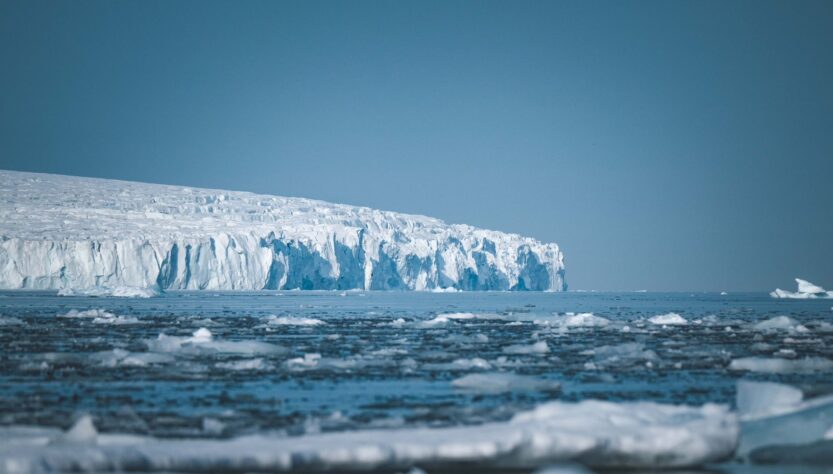
Antarctic sea ice has recently reached its third-lowest winter maximum, highlighting ongoing climate change challenges. This alarming trend poses significant implications for global weather patterns and ecosystems.
Current Status of Antarctic Sea Ice
The current status of Antarctic sea ice has raised concerns among scientists and environmentalists. Recent measurements indicate that Antarctic sea ice reached its third-lowest winter maximum in satellite records. This decline in ice coverage is alarming, as it may signal broader implications for global climate patterns.
Data from various research institutions highlight the following points:
- Record Low Levels: The winter maximum this year is notably lower than previous years.
- Long-term Trends: There is a consistent downward trend in Antarctic sea ice extent.
- Impact on Ecosystems: The reduction in sea ice affects marine life and the overall health of the Southern Ocean.
As scientists continue to monitor these changes, the implications of declining Antarctic sea ice remain a critical area of study.
Impact of Low Sea Ice Levels
The current situation regarding Antarctic sea ice levels is raising significant concerns among scientists. The recent data indicates that Antarctic sea ice has reached its third-lowest winter maximum in recorded history. This decline in sea ice has several potential impacts on the global climate and marine ecosystems.
Some of the key effects of low sea ice levels include:
- Climate Regulation: Sea ice plays a crucial role in reflecting sunlight, and its reduction could accelerate global warming.
- Wildlife Vulnerability: Many species, including seals and penguins, depend on sea ice for breeding and feeding.
- Ocean Circulation: Changes in sea ice can affect ocean currents, influencing weather patterns worldwide.
Understanding the implications of low Antarctic sea ice levels is essential for predicting future climate scenarios.
Future Projections for Antarctic Ice
The future of Antarctic sea ice remains uncertain, with projections indicating that the trend of declining ice levels may continue. Climate models suggest that ongoing global warming could lead to further reductions in sea ice extent, impacting ecosystems and weather patterns worldwide.
Scientists emphasize the importance of monitoring these changes, as they can have cascading effects on marine life and the global climate system. Key factors influencing future sea ice levels include:
- Ocean temperatures: Rising sea temperatures can inhibit ice formation.
- Atmospheric conditions: Changes in wind patterns can affect ice distribution.
- Ice shelf stability: The melting of ice shelves may lead to increased ice flow into the ocean.
Understanding these dynamics is crucial for predicting the long-term fate of Antarctic sea ice.
Understanding Satellite Measurements
Satellite measurements have become crucial in monitoring Antarctic sea ice levels, providing vital data that informs our understanding of climate trends. These measurements are taken using advanced technology that captures images and data from space, allowing scientists to assess the extent and thickness of the ice over time.
Recent analyses indicate that Antarctic sea ice has reached its third-lowest winter maximum on record, raising concerns among researchers regarding the implications for the global climate system.
Key factors influencing these measurements include:
- Atmospheric conditions: Variations in temperature and wind patterns significantly affect ice formation.
- Ocean currents: Changes in ocean temperatures can impact the stability of sea ice.
- Long-term trends: Continuous monitoring is essential for understanding shifts in ice dynamics.
Photo by Francesco Ungaro on Pexels