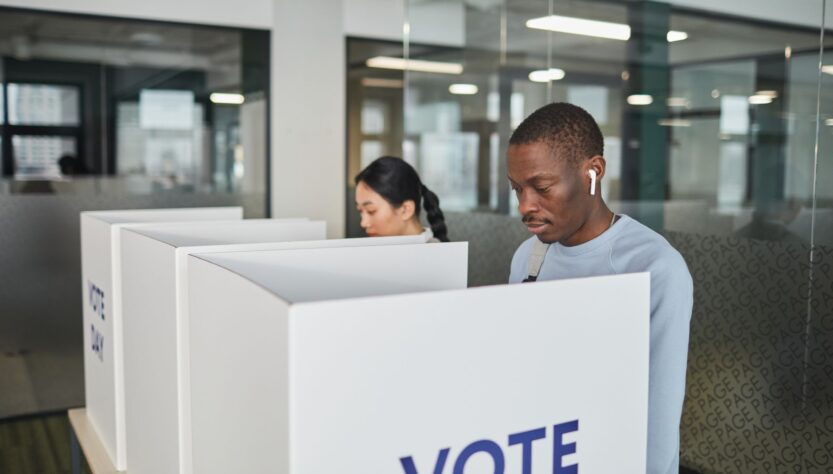
The voter deletions audit is at the center of a plea by Rahul and INDIA bloc leaders in the Supreme Court. This independent review raises significant questions about electoral integrity.
Background of the Voter Deletions Issue
The recent controversies surrounding voter deletions have ignited significant public interest and scrutiny. In the wake of allegations concerning the integrity of electoral processes, a comprehensive voter deletions audit has been proposed to ensure transparency and accountability. This issue gained traction after various political leaders, including Rahul Gandhi and members of the INDIA bloc, raised concerns about the systematic removal of voters from registration lists.
Historical context is crucial to understanding the current situation. Over the years, numerous complaints have surfaced regarding irregularities in voter registration and deletions, particularly affecting marginalized communities and first-time voters. Critics argue that these practices undermine democratic participation and fairness in elections.
In response to these concerns, a plea was submitted to the Supreme Court, which sought a thorough investigation into the matter. The key prayers of this petition include:
- Independent audit of recent voter deletions
- Suspension of the Systematic Voter Registration (SIR) until a review is completed
- Establishment of guidelines to prevent arbitrary voter removals
As the legal proceedings unfold, many are watching closely to see how this voter deletions audit may influence future electoral policies and restore public trust in the democratic process.
Key Prayers in the Supreme Court Plea
In the ongoing legal battle surrounding the recent voter deletions, a significant plea has been filed in the Supreme Court. This plea, led by prominent figures such as Rahul Gandhi and leaders from the INDIA bloc, emphasizes several critical requests aimed at addressing the controversies that have arisen from the voter deletions audit.
Among the key prayers in the Supreme Court plea are:
- Independent Audit: The petitioners are calling for an independent audit of the voter deletions. This step is deemed essential to ensure transparency and restore public confidence in the electoral process.
- Suspension of SIR: Another crucial request is the suspension of the State Information Registry (SIR) during the audit process. The leaders argue that SIR’s current operations could interfere with the integrity of the audit.
- Protection of Voter Rights: The plea requests measures to safeguard the rights of voters affected by the deletions, emphasizing that every eligible citizen has the right to participate in the electoral process.
- Timely Resolution: The petitioners stress the need for a prompt resolution to the issues highlighted, advocating for a timeline to ensure that the upcoming elections are fair and just.
These prayers reflect a growing concern over the implications of voter deletions and the need for accountable governance in electoral practices.
Impact on Upcoming Elections
The implications of the recent voter deletions audit are significant as the nation approaches upcoming elections. With heightened scrutiny over the integrity of electoral rolls, concerns have been raised about the potential disenfranchisement of voters. Political leaders and experts alike emphasize the necessity for transparency to ensure public confidence in the electoral process.
As the Supreme Court evaluates the plea filed by Rahul Gandhi and other leaders from the INDIA bloc, which calls for an independent audit of voter deletions, several key factors are under consideration:
- Voter Trust: The integrity of the electoral system is paramount. Any hint of irregularities could lead to widespread distrust among voters.
- Mobilization Efforts: Political parties are ramping up efforts to engage and inform their constituents about their voting rights and the importance of confirming their registration status.
- Legal Precedents: The outcome of the Supreme Court’s decision may set a precedent for how future voter registration and deletion issues are handled.
- Impact on Turnout: If voters perceive that their registrations may be at risk, it could lead to lower turnout rates, affecting the overall outcome of the elections.
Ultimately, the results of this voter deletions audit and the decisions made by the Supreme Court could redefine the electoral landscape and ensure that every eligible voter has a fair opportunity to participate in the democratic process.
Response from Election Commission
The Election Commission has responded to the growing concerns surrounding the recent voter deletions audit. In a statement, officials emphasized their commitment to maintaining the integrity of the electoral process while ensuring transparency in voter registration practices.
According to the commission, all actions related to voter deletions are conducted in compliance with established legal frameworks. They clarified that the deletions are primarily aimed at updating the electoral rolls by removing names of individuals who are deceased, have moved out of the jurisdiction, or have voluntarily opted out of the voting process.
In light of the Supreme Court plea filed by Rahul Gandhi and leaders from the INDIA bloc, the Election Commission has agreed to an independent audit of the voter deletions. This audit is expected to provide clear insights into the processes and criteria used for these deletions. The decision aims to alleviate public apprehensions regarding potential disenfranchisement ahead of the upcoming elections.
The commission also highlighted the importance of a robust system for monitoring and addressing any discrepancies in the electoral rolls. They reassured voters that mechanisms are in place to ensure that legitimate voters are not unfairly removed from the lists.
This response comes at a critical time as the nation prepares for vital elections, and the integrity of the voter registration process remains paramount.
Public Reactions to the Audit
The recent voter deletions audit has sparked a wide range of reactions from the public, with many expressing concerns about the integrity of the electoral process. The audit’s findings have become a focal point for discussions surrounding voter rights and transparency in elections.
Many citizens took to social media to voice their opinions, with some praising the initiative as a necessary step towards ensuring fair elections. Others, however, expressed skepticism about the audit’s effectiveness, questioning whether it would lead to real change.
Among the key reactions, several themes emerged:
- Trust in the System: A significant portion of the public is worried that if voter deletions are not adequately addressed, it could undermine trust in the electoral system.
- Calls for Transparency: Many advocates are demanding more transparency from the Election Commission, urging them to share detailed findings from the audit.
- Political Implications: Political analysts have noted that the reactions could influence upcoming elections, as voters become more vigilant about their registration status.
- Concerns Over Accessibility: Advocacy groups have raised alarms that deletions may disproportionately affect marginalized communities, highlighting the need for equitable access to the voting process.
As the public continues to digest the implications of the audit, it remains to be seen how these reactions will shape future electoral policies and practices.
Legal Implications of the Plea
The legal implications of the plea regarding the recent voter deletions audit are significant and multifaceted. The Supreme Court’s consideration of the case could set a precedent for how voter registration processes are managed in the future. Key aspects include:
- Validation of Processes: A successful plea could lead to a judicial review of existing protocols related to voter registrations and deletions, ensuring that they comply with constitutional standards.
- Accountability Mechanisms: The court may mandate the establishment of stronger oversight mechanisms to prevent arbitrary voter deletions, reinforcing the fundamental right to vote.
- Impact on Future Legislation: The outcome may influence future legislative measures concerning electoral integrity and voter rights, potentially leading to reforms aimed at enhancing transparency.
- Interpretation of Voter Rights: The court’s ruling could clarify the interpretation of voter rights, particularly in relation to disenfranchisement through deletions, and could serve as a guiding principle for future disputes.
As the legal proceedings unfold, stakeholders are closely monitoring developments, recognizing that the implications extend beyond the immediate context of the plea. The outcome could have lasting effects on public trust in electoral processes and the safeguarding of democratic principles. The voter deletions audit is not just a procedural matter; it embodies the essence of electoral integrity in a democratic society.
Future of Voter Rights in India
The future of voter rights in India stands at a critical juncture, particularly in light of the recent voter deletions audit that has sparked significant debate among citizens and policymakers alike. As the country approaches upcoming elections, the integrity of the electoral process is paramount, and concerns regarding potential disenfranchisement loom large.
In this context, several factors will influence the trajectory of voter rights:
- Legislative Reforms: There is a pressing need for comprehensive reforms to strengthen voter rights and ensure that the electoral rolls are accurate and inclusive.
- Judicial Oversight: The Supreme Court’s involvement in reviewing the voter deletions audit may set crucial precedents for future electoral processes and the protection of voter rights.
- Public Awareness: Increased awareness and advocacy among citizens regarding their voting rights can empower individuals to take action against unjust voter deletions.
- Technological Solutions: Implementing advanced technology to maintain and monitor voter lists could reduce errors and enhance transparency in the electoral system.
As discussions around the voter deletions audit unfold, the commitment to safeguarding democratic practices will be vital. Stakeholders, including political parties, civil society, and the judiciary, must collaborate to ensure that the rights of voters are upheld at all costs.
The recent voter deletions audit has raised significant concerns about the integrity of the electoral process. As stakeholders analyze the findings, the implications of the voter deletions audit will likely influence future policy discussions.
Photo by Edmond Dantès on Pexels
References
Related stories
Bumble Goes Private: The Smart Move for $1 Billion · Rishabh Pant Injury News: Worst Impact on Team Performance · INDIA bloc march: Join the Proven Movement Today