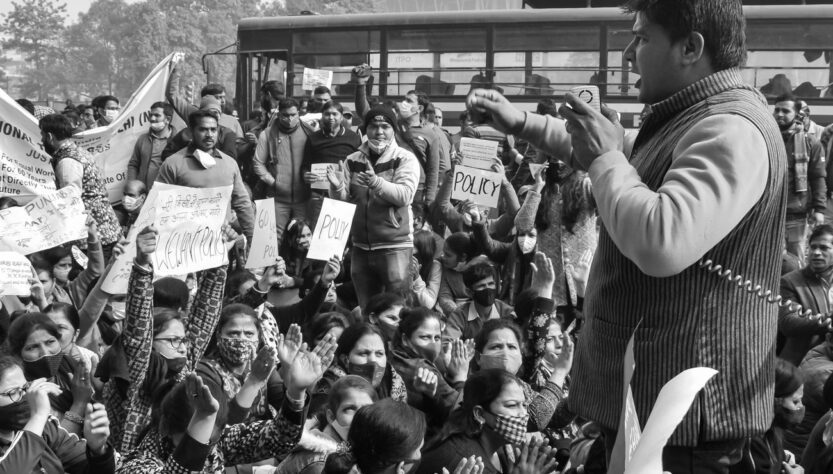
Sambit Patra opposition remarks have stirred discussions as he claims that the anarchists have failed in their efforts against the government.
Sambit Patra’s Critique of the Opposition
Sambit Patra, the spokesperson for the Bharatiya Janata Party (BJP), has recently made strong remarks regarding the opposition in India. He asserted that the opposition parties, which he referred to as “anarchists,” have failed to present a coherent alternative to the ruling government.
During a press conference, Patra emphasized the following points:
- Failure of Leadership: He criticized the leaders of the opposition for lacking a unified vision, suggesting that their actions have only led to confusion among the public.
- Impact on Democracy: Patra claimed that the opposition’s tactics have undermined democratic values, arguing that they prioritize political gain over the nation’s welfare.
- Public Perception: According to him, the public is increasingly disillusioned with the opposition’s approach, as they have repeatedly failed to engage in constructive dialogue.
In conclusion, Sambit Patra’s remarks serve as a pointed critique of the opposition, highlighting their inability to effectively challenge the government’s policies. His statements underscore a growing sentiment among certain political circles that the opposition must reevaluate its strategies moving forward.
Understanding the Role of Anarchists in Politics
In recent statements, Sambit Patra has drawn attention to the role of anarchists within the political landscape, particularly in relation to the opposition’s tactics. He asserts that these individuals, often characterized by their disruptive behaviors, have failed to make a significant impact on governance and public policy.
Patra emphasizes that the opposition must reconsider its alliances and strategies if it hopes to regain credibility. He argues that the actions of these so-called anarchists have not only undermined their own party’s objectives but have also created a negative perception among the electorate.
According to Patra, the failures of the anarchists can be attributed to several factors:
- Lack of Clear Vision: Without a unified direction, their efforts appear chaotic.
- Disconnection from Voter Concerns: Anarchist approaches often alienate the very people they aim to represent.
- Internal Divisions: Fragmentation within their ranks has led to diminished effectiveness.
In summary, Patra’s remarks about the opposition and its association with anarchists highlight a critical moment for political reflection and potential recalibration.
The Current Political Landscape in India
The political landscape in India has become increasingly polarized, with various parties taking distinct stances on issues that resonate with their voter bases. In this context, Sambit Patra’s remarks on the opposition’s anarchist tendencies have sparked significant debate. He emphasizes that the current political climate is a reflection of the opposition’s inability to present a united front, leading to what he describes as a failure of democratic processes.
As the ruling party continues to push forward with its agenda, it faces challenges from a fragmented opposition. Patra highlights several key factors contributing to this situation:
- Internal Discord: Many opposition parties struggle with unity, resulting in conflicting ideologies.
- Public Perception: The opposition’s attempts to position themselves as viable alternatives have not resonated with a significant portion of the electorate.
- Policy Gaps: The failure to provide coherent and credible policies has led to a loss of trust among voters.
Ultimately, Sambit Patra’s comments on the opposition underscore a broader narrative: the need for constructive engagement rather than anarchy in politics.
Public Reaction to Patra’s Statements
Public reaction to Sambit Patra’s remarks regarding the opposition has been mixed, reflecting the diverse political landscape of India. Many supporters have applauded Patra for his bold stance, arguing that his comments resonate with the frustrations of the general populace towards what they perceive as ineffective leadership from the opposition.
On social media, Patra’s statement that “the anarchists have failed” has sparked numerous debates. Proponents of his viewpoint have taken to platforms like Twitter and Facebook to express their agreement, suggesting that the opposition’s strategies have been counterproductive and detrimental to national progress.
Conversely, critics have labeled his remarks as overly simplistic, accusing him of politicizing the situation rather than addressing the core issues facing the country. Some have argued that such comments only deepen the existing political divide, further alienating those who seek constructive dialogue.
In response to the controversy, political analysts have noted that the reaction to Patra’s statements highlights the ongoing struggle between the ruling party and the opposition, underscoring the complexities of modern governance in India.
Historical Context of Opposition Challenges
The historical context of opposition challenges in India reveals a pattern of political strife and confrontations that have shaped the current dynamics. Over the years, various opposition parties have struggled to present a unified front, often leading to internal divisions that dilute their effectiveness. This fragmentation has been evident during key political movements, where the lack of a cohesive strategy has resulted in missed opportunities to challenge the ruling party.
Moreover, the emergence of leaders like Sambit Patra highlights a growing sentiment among the ruling party’s supporters that the opposition, characterized by what Patra refers to as “anarchists,” has not only failed in its objectives but has also struggled to resonate with the common populace. The inability to articulate a clear vision for governance has further alienated these parties from voters.
In this context, the remarks made by Patra serve as a reflection of broader frustrations with the opposition’s tactics. The public’s perception of these parties is increasingly shaped by their past failings and the ongoing challenge they face in reinvigorating their political narratives.
Future Implications for Indian Politics
As the political landscape in India continues to evolve, the remarks made by Sambit Patra regarding the opposition’s effectiveness raise several important questions about the future implications for Indian politics. Patra’s assertion that the “anarchists have failed” suggests a growing sentiment among ruling party supporters that the current opposition is struggling to provide a coherent alternative to the government’s policies.
The implications of these comments can be seen in several key areas:
- Voter Sentiment: If the public perceives the opposition as ineffective, it may bolster the ruling party’s chances in upcoming elections.
- Coalition Dynamics: Fragmentation among opposition parties could lead to new alliances or further divisions, complicating the political narrative.
- Policy Formulation: With the opposition’s influence waning, the ruling party may feel emboldened to push through more controversial policies without significant pushback.
- Future Leadership: The need for strong leadership within the opposition might become paramount as parties strive to redefine their roles.
Ultimately, Sambit Patra’s opposition remarks may signal a pivotal moment in Indian politics, shaping the discourse in the years to come.
Sambit Patra’s opposition remarks highlight the lack of coherent strategy among the dissenting parties. He emphasized that these anarchists have consistently failed to present a unified front against the government’s initiatives.
Photo by Rahul Sapra on Pexels