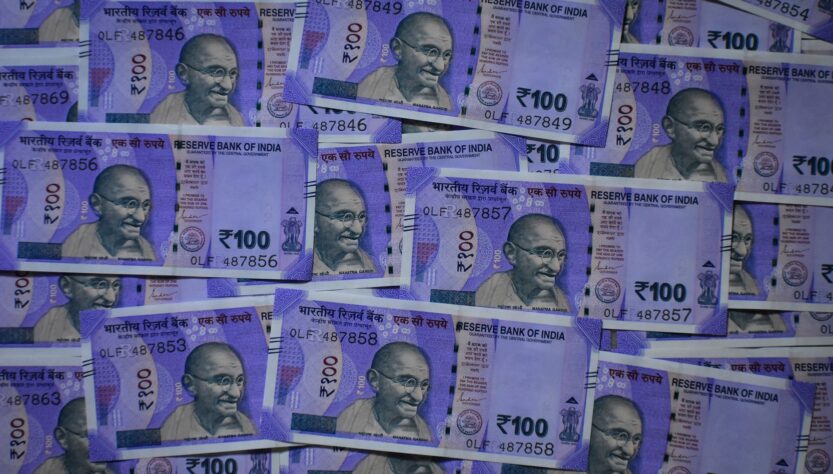
Modi’s demonetisation was a significant event that reshaped India’s economic landscape. This bold move aimed to combat black money and corruption but faced widespread criticism and mixed results.
Background of Modi’s demonetisation
In November 2016, Indian Prime Minister Narendra Modi announced a sudden and unprecedented move to demonetise ₹500 and ₹1,000 currency notes, which constituted around 86% of the cash in circulation at the time. This bold decision was aimed at curbing black money, counterfeit currency, and corruption within the Indian economy. The announcement took many by surprise and led to widespread chaos as people rushed to banks and ATMs to exchange their old notes.
The move was touted as a significant step towards a cleaner and more transparent financial system. Supporters argued that Modi’s demonetisation would help facilitate a shift towards digital transactions and enhance tax compliance among citizens. However, the immediate aftermath of the announcement saw severe disruption in daily life, particularly for those in rural areas and small businesses reliant on cash transactions.
Critics of the policy contended that the execution was flawed, causing economic strain and a slowdown in growth. The sudden cash crunch led to long queues at banks, and many people faced difficulties in meeting their everyday needs. As the months passed, the long-term effects of demonetisation came under scrutiny, with various economists debating its efficacy and impact on the economy. The decision polarized opinions, prompting discussions about whether it was a necessary reform or one of the worst decisions in India’s economic history.
Immediate effects on the economy
The immediate effects of Modi’s demonetisation in November 2016 sent shockwaves through India’s economy. Following the abrupt withdrawal of ₹500 and ₹1,000 notes, the country faced significant disruptions in daily transactions.
One of the most noticeable impacts was the severe cash crunch that affected millions of citizens. As people lined up outside banks and ATMs, the scarcity of currency notes led to:
- Reduced consumer spending: With limited cash flow, many households curtailed their expenditures on non-essential goods and services.
- Impact on small businesses: Small vendors and local businesses, heavily reliant on cash transactions, struggled to maintain operations, resulting in a sharp decline in sales.
- Job losses: The cash-dependent sectors, including agriculture and informal labor, witnessed job cuts as employers faced liquidity issues.
Furthermore, the sudden transition to digital payments saw mixed results. While some embraced technology, many others, particularly in rural areas, found it challenging to adapt. As a result, the digital divide became more pronounced.
Overall, the immediate aftermath of Modi’s demonetisation raised questions about the effectiveness of the policy and its long-term implications for the economy.
Public reaction to the policy
The public reaction to Modi’s demonetisation was as diverse as it was intense, with opinions split across various demographics and regions. Many people expressed strong support for the move, believing it would lead to greater financial transparency and a crackdown on black money.
Supporters highlighted several key points:
- Corruption Reduction: A significant number of citizens felt that demonetisation would help eradicate corruption by forcing dishonest individuals to disclose their unaccounted wealth.
- Digital Economy: The push towards a digital economy was embraced by the tech-savvy younger generation, who saw it as an opportunity for a cashless future.
- Optimism for Reforms: Enthusiasts pointed out that such bold reforms could pave the way for a more robust economic framework.
On the other hand, considerable backlash emerged, especially from the lower-income groups and small business owners who heavily relied on cash transactions. Critics of Modi’s demonetisation raised the following concerns:
- Economic Disruption: Many businesses suffered due to a sudden cash shortage, leading to layoffs and closures.
- Public Inconvenience: Long queues outside banks and ATMs became a common sight, causing frustration among citizens.
- Questionable Outcomes: Detractors argued that the policy did not significantly reduce black money as anticipated.
Long-term implications for India
The long-term implications of Modi’s demonetisation are still being debated among economists, policymakers, and the general public. While the initiative aimed to curb black money and promote a digital economy, its fallout has sparked a range of reactions.
One significant concern is the impact on small businesses, which often rely on cash transactions. Many small entrepreneurs struggled to adapt to the sudden cash crunch, leading to a decline in their revenues and, in some cases, permanent closure. This shift raised questions about the viability of cash-based businesses in a rapidly digitizing economy.
Furthermore, the demonetisation move has had lasting effects on the banking sector. While it did lead to an influx of deposits, the challenge has been to ensure these funds are effectively channeled into productive investments. The gap between savings and investments has raised concerns about future economic growth.
Another long-term implication is the psychological impact on the populace. Many citizens remain skeptical of government measures, fearing that similar policies could be enacted without adequate preparation or communication. This distrust could hinder future initiatives aimed at economic reform.
In conclusion, while Modi’s demonetisation was intended to modernize India’s economy, its long-term effects are complex and multifaceted, prompting ongoing discussions about its overall efficacy and consequences.
Expert opinions on demonetisation
In the wake of Modi’s demonetisation, various experts have weighed in on its consequences and effectiveness. Economists and financial analysts have expressed a range of opinions, highlighting both the intended and unintended outcomes of the policy.
Many believe that the sudden withdrawal of high-denomination currency notes aimed to curtail black money and corruption, but the implementation raised significant concerns. Dr. Arvind Subramanian, a former Chief Economic Adviser to the Government of India, argued that while the goals were commendable, the execution proved to be flawed. He stated, “The economic costs of demonetisation may outweigh the anticipated benefits.”
Conversely, some supporters of the policy, like Dr. Jagdish Bhagwati, suggested that the long-term benefits of formalising the economy could be substantial. He remarked, “This is a painful but necessary step towards a more transparent financial system.”
However, the real-world impact on ordinary citizens cannot be overlooked. Dr. Raghuram Rajan, former Reserve Bank of India Governor, noted that the move disproportionately affected daily wage workers and small businesses. “It’s crucial to consider how these policies affect the most vulnerable,” he stressed.
As the debate continues, it remains to be seen whether Modi’s demonetisation will be regarded as a pivotal moment in India’s economic history or a misguided venture with far-reaching consequences.
Comparative analysis with other countries
In assessing Modi’s demonetisation, it’s essential to compare its outcomes with similar policies enacted in other countries. Various nations have attempted to curb black money and promote digital transactions through demonetisation, but the results have varied significantly.
- Argentina: In 1989, Argentina’s government implemented a demonetisation policy to combat hyperinflation. However, the transition was chaotic, leading to economic instability and a loss of public confidence in the currency.
- Zimbabwe: Zimbabwe’s attempt in the late 2000s to remove large denominations from circulation coincided with hyperinflation. The move failed to stabilize the economy and instead exacerbated the existing financial crisis.
- Italy: In 2011, Italy introduced measures to limit cash transactions as part of broader efforts to combat tax evasion. This approach was more gradual and included incentives for digital payments, resulting in a more favorable public reception.
The stark differences in outcomes highlight that the success of demonetisation largely depends on the surrounding economic context, the implementation strategy, and public support. While Modi’s demonetisation aimed to eliminate black money and promote a cashless economy, its aftermath raises questions about its efficacy compared to international experiences. Future analyses will benefit from studying these comparative cases to draw lessons on the complexities of such sweeping reforms.
Lessons learned from the event
The event of Modi’s demonetisation has provided several crucial lessons for policymakers and the public alike. Understanding these lessons can help in evaluating future economic decisions more effectively.
- Importance of Preparation: One of the key takeaways is the necessity of thorough preparation before implementing significant economic changes. The sudden nature of the demonetisation led to turmoil, as many were unprepared for the transition.
- Communication is Key: Clear communication from the government is vital during any major policy shift. The lack of transparency and guidance during Modi’s demonetisation caused confusion and anxiety among citizens.
- Impact on Informal Economy: The event highlighted the vulnerability of the informal economy. Many small businesses and daily wage workers struggled to adapt to the change, emphasizing the need to consider all sectors when devising such policies.
- Public Trust: Maintaining public trust is essential for the success of any government initiative. The mixed reactions to Modi’s demonetisation reflect how crucial it is to engage with citizens and address their concerns proactively.
- Data-Driven Decisions: Finally, the importance of evidence-based policymaking cannot be overstated. Future policies should rely on comprehensive data analysis to predict potential outcomes and mitigate adverse effects.
These lessons serve as a reminder of the complexities involved in economic policymaking and the need for careful consideration in future endeavors.
Future of India’s monetary policy
The future of India’s monetary policy remains a topic of intense debate as the nation reflects on the implications of Modi’s demonetisation. As the government grapples with the aftermath of this controversial move, several key considerations have emerged that could shape the trajectory of financial regulation in the country.
Firstly, the emphasis on digital transactions has surged, driven by the need for transparency and efficiency. A shift towards cashless payments could lead to a more robust economy, reducing the shadow of black money. However, this transition must be accompanied by adequate infrastructure and education, particularly in rural areas where digital literacy remains low.
Secondly, the Reserve Bank of India (RBI) is likely to reassess its policies regarding liquidity and cash management. The central bank may implement measures to ensure that the economy remains resilient against shocks, fostering a more stable environment for growth.
Moreover, regulatory frameworks may evolve to address the challenges posed by cryptocurrencies and fintech innovations. As digital currencies gain traction globally, India’s approach will need to balance innovation with consumer protection.
In conclusion, while Modi’s demonetisation has sparked significant debate, it has also opened avenues for reform in India’s monetary policy. The effectiveness of these changes will depend on the government’s ability to adapt and respond to the emerging financial landscape.
Photo by DEV ROY on Pexels