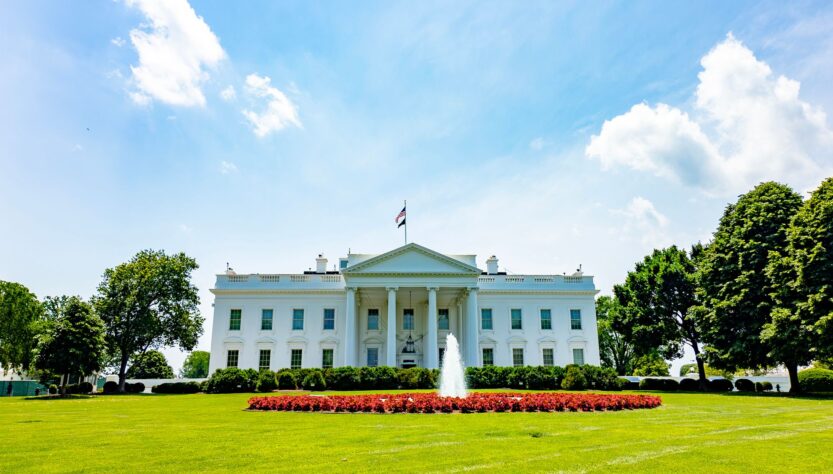
Trump White House pool ban has caused significant disruption in media access, with major TV networks pulling out. This decision raises questions about transparency and coverage of presidential events.
Understanding the Trump White House pool ban
The Trump White House pool ban has raised significant concerns regarding media access and transparency in government. Traditionally, the White House press pool serves as a critical link between the president and the public, providing real-time coverage of presidential activities. However, the recent restrictions imposed by the Trump administration have altered this dynamic.
Under the pool system, a small group of journalists is designated to cover the president’s public appearances and events. This ensures that information is disseminated to a broader audience, allowing the public to stay informed. However, with the implementation of the pool ban, major TV networks have pulled out of their commitments, leading to a significant reduction in the number of reporters present at key events.
- Impact on Coverage: The ban limits the diversity of perspectives and reporting from the White House, as fewer journalists are able to attend events.
- Increased Secrecy: The restrictions contribute to a perception of secrecy, making it difficult for the public to hold the administration accountable.
- Public Trust: The Trump White House pool ban has the potential to erode public trust in the media and the government alike.
As the situation evolves, the implications of this ban on media access will continue to be a topic of discussion among journalists and political analysts alike.
Impact on media coverage
The recent decision by the Trump administration to impose a ban on media access to the White House pool has raised significant concerns regarding the impact on media coverage. This pool ban restricts journalists from gaining firsthand access to the President and his activities, leading to a notable decline in transparency and accountability.
As a result of the Trump White House pool ban, major television networks have opted to withdraw their correspondents from pool duty, further exacerbating the situation. This withdrawal means that fewer journalists will be present to report on key events and statements made by the President, thereby limiting the public’s access to vital information. The reduction in media presence can create a vacuum where misinformation can thrive, as fewer reputable sources are available to fact-check and report on the administration’s actions.
The consequences are profound:
- Diminished Reporting: With fewer journalists in the pool, critical news coverage of the President’s activities may be compromised.
- Reduced Accountability: The absence of constant media scrutiny enables the administration to operate with less oversight.
- Public Misinformation: A lack of diverse media voices can lead to an increased spread of unverified claims and conspiracy theories.
Overall, the Trump White House pool ban poses significant challenges for the media landscape, raising alarms about the erosion of democratic principles and the public’s right to know.
Reactions from major TV networks
Following the announcement of the Trump White House pool ban, major television networks have expressed significant concern regarding media access and transparency. The decision has drawn sharp criticism from various news organizations, which argue that the ban undermines the foundational principles of a free press.
Networks including ABC, CNN, and NBC have released statements emphasizing the importance of pool coverage as a means to ensure that the public is informed about presidential activities. In their reactions, many journalists highlighted the following key points:
- Access to Information: The ban limits reporters’ ability to provide real-time coverage of significant events, which is crucial for maintaining an informed citizenry.
- Accountability: Without a pool to monitor activities, the administration may operate with less scrutiny, potentially eroding public trust.
- Tradition of Transparency: The pool system has been a long-standing practice in presidential administrations, allowing multiple outlets to share the same information and perspectives.
In response to the ban, several networks have announced their intention to withdraw from the White House pool altogether, signaling a united front against what they view as an unacceptable restriction on their ability to perform their journalistic duties. The long-term ramifications of the Trump White House pool ban could reshape the relationship between the media and the presidency.
Historical context of White House press access
The White House press pool has a long-standing tradition of providing journalists access to the President and key events. This practice dates back to the early 20th century, evolving over decades to ensure that the media can report on the actions of the government in real-time. However, the Trump White House pool ban marked a significant departure from this tradition, raising concerns about transparency and accountability.
Historically, the press pool was established to allow a limited number of reporters to witness presidential activities and to relay those experiences to a broader audience. This system aimed to mitigate the challenges posed by competing news outlets and enhance collective coverage of the President’s actions. Press access has been seen as a crucial element of a functioning democracy, enabling the public to stay informed about their leaders.
During previous administrations, the relationship between the White House and the press was characterized by a certain level of cooperation, even amid tensions. However, the Trump White House pool ban shifted this dynamic, as many major television networks began to withdraw from the pool entirely. This withdrawal not only affected the coverage of press events but also limited the media’s ability to ask questions and hold the administration accountable.
As the media landscape continues to evolve, the implications of the Trump White House pool ban remain a significant point of discussion among journalists and policymakers alike.
Future of presidential media relations
The future of presidential media relations could be significantly shaped by the Trump White House pool ban, fundamentally altering how journalists engage with the administration. The recent decision to restrict access has raised concerns regarding transparency and accountability in government communications, prompting a potential shift in the longstanding relationship between the press and the presidency.
As media outlets adapt to these changes, the implications for journalistic practices are profound. With diminished access, reporters may find it increasingly challenging to provide comprehensive coverage of presidential activities and decisions. This could lead to a reliance on alternative sources of information, increasing the likelihood of misinformation and speculation.
Moreover, the ban may set a precedent for future administrations, influencing how subsequent presidents interact with the press. If access continues to be limited, it could foster an environment where media coverage becomes less robust and less critical of the executive branch.
In response to the Trump White House pool ban, some media organizations are exploring new strategies to maintain their presence and influence. This includes:
- Utilizing social media platforms for real-time updates.
- Strengthening relationships with whistleblowers and insiders.
- Incorporating investigative journalism to uncover stories that might otherwise go unreported.
Ultimately, the evolution of media relations in the wake of this ban will determine the landscape of political journalism in the years to come.
Photo by Ramaz Bluashvili on Pexels
Sources
Related stories
Ranvir Shorey slams Modi’s mimicry: A clear critique · Mental Illness Drives Worst Family Tragedy: An Honest Look · National Formulary of India 2026: The Best Guide to Updates