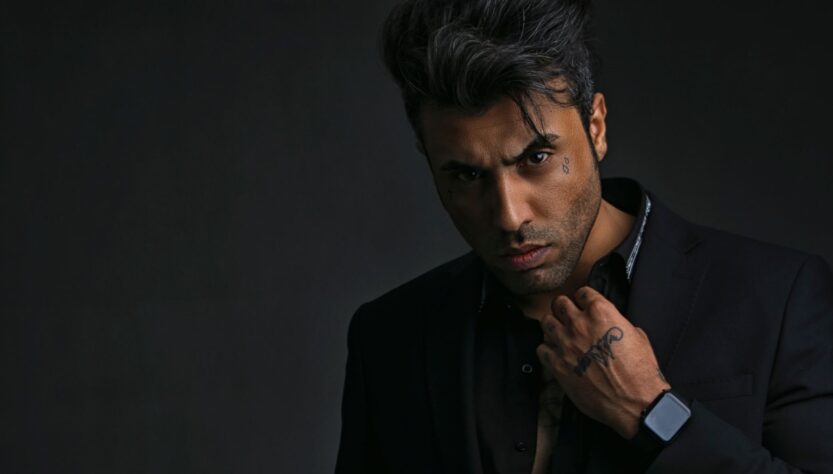
Ranvir Shorey slams Modi for his mimicry at Rahul Gandhi’s recent event, highlighting the ongoing tensions in Indian politics.
Overview of the Event
Recently, actor Ranvir Shorey made headlines by criticizing Prime Minister Narendra Modi’s mimicry during an event attended by Rahul Gandhi. Shorey’s remarks were pointed and highlighted what he perceives as the inadequacies of Modi’s leadership style. He stated that the Prime Minister’s attempts at mimicry were not just an entertainment act but a reflection of a deeper issue within the political landscape.
During the event, Shorey expressed his concerns regarding the integrity and seriousness of political discourse in India. He emphasized that such mimicry undermines the essence of political responsibility and accountability, saying, “Jinki puri party ka Astitva bete.” This statement suggests that the act of mimicry is trivializing the struggles and aspirations of the people represented by political parties.
Shorey’s comments resonate with many who feel that the current political climate often prioritizes spectacle over substance. By slamming Modi in this manner, he has opened up a dialogue about the expectations of leadership and the importance of genuine engagement in politics. The actor’s bold stance has sparked discussions across various platforms, bringing attention to the need for a more serious approach in governance.
Ranvir Shorey’s Comments
Ranvir Shorey, the acclaimed actor and outspoken commentator, has made headlines with his recent remarks regarding Prime Minister Narendra Modi’s mimicry at an event attended by Rahul Gandhi. Shorey did not hold back in his criticism, stating, “Jinki puri party ka Astitva bete, unka mimicry karke kya milega?” This comment reflects his disapproval of what he perceives as an insincere attempt by Modi to imitate others for political gain.
Shorey emphasized that such mimicry undermines the seriousness of political discourse, suggesting that leaders should focus on substantive issues rather than resorting to mimicry. He expressed concern that this behavior trivializes the challenges facing the nation and distracts from meaningful dialogue.
In the realm of Indian politics, where public figures often engage in theatrics, Shorey’s comments have sparked discussions about authenticity and integrity. Many supporters of Shorey appreciate his willingness to challenge prominent figures, including Modi. As conversations around political mimicry continue, Shorey’s perspective adds a layer of scrutiny to the current political climate.
Ultimately, Shorey’s remarks serve as a reminder that political figures should strive for genuine engagement rather than relying on imitation, a sentiment that resonates with many citizens seeking accountability from their leaders.
Public Reaction to the Mimicry
Public reaction to Ranvir Shorey’s comments on PM Narendra Modi’s mimicry has been mixed, with many taking to social media to voice their opinions. Some users praised Shorey for his candid critique, while others expressed their disagreement, arguing that mimicry can be a form of entertainment rather than a serious political statement.
- Supporters of Shorey: Many fans have applauded the actor for speaking out against what they perceive as a lack of seriousness in Modi’s approach. Comments such as, “Finally, someone is calling out the absurdity!” have echoed across various platforms.
- Critics of Shorey: On the other hand, those in support of Modi have defended the Prime Minister, stating that mimicry is just a way of connecting with the public. One user remarked, “It’s all in good fun; humor is essential in politics.”
Overall, the discourse surrounding Ranvir Shorey’s critique of Modi’s mimicry reflects a broader conversation about the role of humor in politics and its impact on public perception. As the debate continues, it remains to be seen how it will influence the political landscape leading up to the upcoming elections.
Historical Context of Political Mimicry
Political mimicry has a long-standing history in India, often serving as a tool for satire and critique among politicians. This practice dates back decades, where leaders have used impersonation to highlight the follies of their opponents, engaging audiences in both humor and reflection. Such performances can sometimes transcend mere entertainment, igniting discussions about political accountability and leadership styles.
In recent years, the art of mimicry has taken on a more significant role, particularly during election seasons. The effectiveness of mimicry lies in its ability to resonate with the public, allowing complex political dynamics to be simplified into relatable narratives. This has led to instances where humor intersects with serious discourse, revealing deeper societal sentiments.
Ranvir Shorey’s recent comments regarding PM Narendra Modi’s mimicry during Rahul Gandhi’s event are a testament to this phenomenon. By stating, “Jinki puri party ka Astitva bete,” he underscores the notion that mimicry can be a reflection of one’s political identity and effectiveness. As Shorey slams Modi’s approach, it raises questions about the role of such performances in shaping public perception and political legitimacy, illustrating the ongoing dialogue surrounding political mimicry in contemporary India.
Impact on Modi’s Image
The recent comments by actor Ranvir Shorey have sparked discussions about Prime Minister Narendra Modi’s image, particularly in light of his mimicry during a public event. Shorey’s critique of Modi’s behavior highlights how such actions can impact the public’s perception of a leader’s seriousness and credibility.
Critics argue that mimicry, especially in a political context, may undermine the dignity of the office. Many see Modi’s antics as a deviation from the gravitas expected of a Prime Minister, and Shorey’s remarks encapsulate this sentiment. The actor emphasized that the mimicry demonstrated a lack of respect for political discourse and could alienate voters who seek genuine leadership.
Moreover, the backlash against Modi’s performance may have broader implications for his political standing. As public opinion shifts, it could affect voter sentiment ahead of upcoming elections. Shorey’s comments resonate with those who have grown weary of theatrical politics, suggesting that authenticity and sincerity are paramount in contemporary leadership.
In a political landscape increasingly driven by image, Ranvir Shorey’s slams against Modi serve as a reminder of the potential consequences of a leader’s choices on their public persona and electoral prospects.
Rahul Gandhi’s Response
In response to Ranvir Shorey’s comments regarding Prime Minister Narendra Modi’s mimicry, Congress leader Rahul Gandhi expressed his opinions during a recent event. Gandhi stated that such mimicry not only reflects a lack of seriousness in governance but also undermines the dignity of political discourse. He emphasized the importance of leaders being authentic and accountable to the public, rather than resorting to theatrics.
Gandhi further pointed out that while humor can be a tool for connection, it should not come at the cost of serious policy discussions. He stated, “Mimicry is just a diversion. Our focus should remain on the pressing issues facing the nation.” He suggested that instead of mockery, leaders should engage in constructive dialogue to address the concerns of citizens.
The Congress leader’s remarks come in the wake of Ranvir Shorey’s critique, where he slammed Modi for his mimicry, highlighting that “Jinki puri party ka Astitva bete,” indicating that the Prime Minister’s behavior was not befitting of the office he holds. Gandhi’s response reinforces the sentiment that political leaders should prioritize substance over style, particularly in times of national challenges.
Future of Political Satire in India
The landscape of political satire in India is evolving, especially in light of recent events where Ranvir Shorey slams Modi’s mimicry. As artists and comedians engage with political figures through imitation, the implications for public discourse become significant. Political mimicry has often been a tool for satire, allowing comedians to critique authority while entertaining audiences.
Currently, the future of political satire in India seems uncertain, as it grapples with the balance between freedom of expression and the potential backlash from political factions. The rise of social media platforms has provided a new stage for satire, but it has also created a polarized environment where comedians must navigate sensitive topics carefully.
Moreover, the impact of Shorey’s comments highlights a growing trend among artists who are willing to challenge political norms. As more voices join the conversation, the potential for political satire to influence public opinion and spark dialogue increases. However, this also raises questions about the safety and reception of such critiques in a politically charged atmosphere.
In conclusion, the future of political satire in India will depend on the courage of comedians like Shorey and the willingness of the public to engage with these complex narratives.
In a recent interview, Ranvir Shorey slams Modi’s mimicry, highlighting the lack of authenticity in political discourse. The actor’s comments have sparked a broader conversation about the role of satire in contemporary politics, as Ranvir Shorey slams Modi for undermining serious issues through imitation.
Photo by Yasser Aljaberi on Pexels