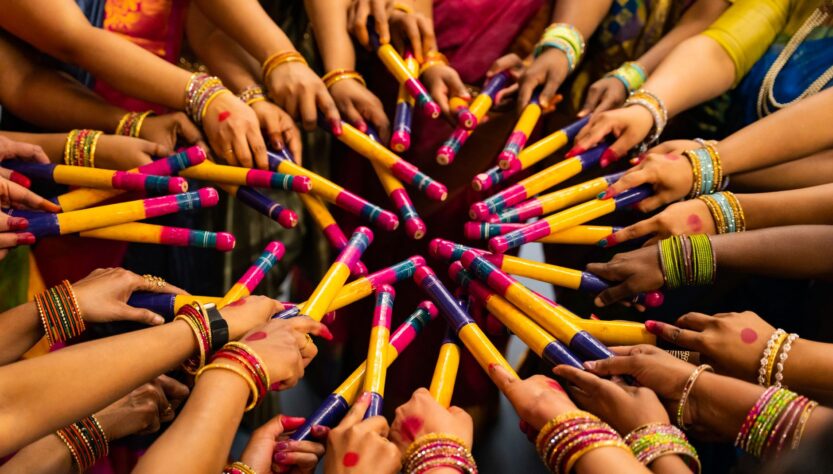
The Mumbai garba event has sparked controversy as Muslims are barred from participation. This decision has drawn criticism from various community leaders and activists.
Background of the Mumbai garba event
The Mumbai garba event has traditionally been a vibrant celebration, attracting participants from diverse backgrounds. This year, however, the atmosphere has become contentious following a controversial decision that bars Muslims from participating in the festivities. The decision has drawn significant backlash from various community leaders and social activists who argue that it undermines the spirit of inclusivity that is central to cultural celebrations.
Garba, a traditional dance form originating from Gujarat, is a pivotal part of the Navratri festival, where communities come together to celebrate. In Mumbai, the garba event has evolved into a major attraction, bringing together thousands of participants each year. However, the recent ruling has overshadowed the festivities, leading to accusations of discrimination.
Critics of the ban have expressed concerns over the implications it has for communal harmony. They argue that such decisions create divides rather than fostering unity. Some have pointed out that the Mumbai garba event should serve as a platform for showcasing the city’s rich tapestry of cultures, rather than being marred by restrictions that alienate specific groups.
The announcement has prompted discussions among local leaders and residents, with many advocating for a more inclusive approach to the festivities. As the event approaches, the community remains divided on how to navigate this sensitive issue while striving to maintain the joyous spirit of garba celebrations.
Reactions from the community
The recent decision to bar Muslims from participating in the Mumbai garba event has sparked a wave of reactions from various community members and organizations. Many have expressed their disappointment and concern over what they perceive as an exclusionary practice.
- Community Leaders: Several local leaders have come forward to condemn the decision, arguing that cultural events like garba should be inclusive and celebrate diversity. One leader stated, “Garba is a festival of unity, and excluding anyone based on their religion contradicts the spirit of the celebration.”
- Social Activists: Activists have organized protests against the ruling, calling for equal access to cultural events for all communities. They emphasized that the Mumbai garba event should be a space where everyone can participate, regardless of their religious background.
- Religious Figures: Clergy from various faiths have also weighed in, urging dialogue and understanding between different communities. They believe that such measures only serve to deepen divides rather than foster harmony.
As the controversy unfolds, many are questioning the implications of this decision on communal relations in Mumbai. The sentiments echo a broader concern that cultural events, which should unite people, are instead becoming platforms for division. The community’s push for inclusivity remains strong, highlighting the need for a re-evaluation of policies that restrict participation in the Mumbai garba event.
BJP MLA’s stance on the issue
The recent Mumbai garba event has sparked significant controversy, particularly due to statements made by local BJP MLA, who has taken a firm stance on the participation of Muslims in the festivities. In a public address, the MLA emphasized that the garba celebration is steeped in cultural and religious significance, which, according to him, should be preserved exclusively for those who adhere to the Hindu faith. He stated, “It is essential to maintain the sanctity of our traditions. Participation should be in line with our cultural values.”
The MLA’s comments have drawn sharp criticism from various community leaders and activists who argue that such a stance promotes division rather than unity. Many have pointed out that the Mumbai garba event is traditionally a festival of inclusivity, encouraging people from all backgrounds to join in the celebrations. They expressed concern that the MLA’s remarks could alienate a significant portion of the population.
In response to the backlash, the MLA defended his position, claiming that setting boundaries is necessary to protect the essence of the festival. He further added that these measures are crucial for preserving what he describes as the “true spirit” of the Mumbai garba event. As the discussion continues, it remains to be seen how these sentiments will affect the overall participation and atmosphere of the upcoming celebrations.
Implications for cultural events
The recent decision to bar Muslims from participating in the Mumbai garba event has raised significant concerns regarding inclusivity in cultural celebrations. Critics argue that such restrictions undermine the very essence of these events, which are meant to promote unity and diversity among different communities. By limiting participation based on religion, organizers risk alienating a substantial segment of the population that has traditionally engaged with these festivities.
Moreover, the implications extend beyond just this particular event. Many fear that this decision may set a precedent for future cultural gatherings, potentially leading to further discrimination and division. As various communities come together to celebrate their heritage, any exclusionary practices could harm the social fabric that has long characterized Mumbai.
Additionally, this situation highlights the growing influence of political narratives in cultural domains. The involvement of political figures, such as the BJP MLA who supported the exclusion, signifies a worrying trend where cultural events become battlegrounds for political agendas. This shift could deter individuals from participating in future celebrations, fearing backlash or exclusion based on their religious identity.
As Mumbai grapples with these tensions, it is essential for stakeholders to reassess the values surrounding the Mumbai garba event and strive for inclusivity, ensuring that cultural festivities remain a space for all, regardless of their backgrounds.
Calls for inclusivity in festivals
As the Mumbai garba event draws near, calls for inclusivity in cultural celebrations have intensified. Community leaders and activists emphasize the need for a more welcoming approach that allows participation from all faiths. They argue that cultural events like garba should serve as a platform for unity rather than division.
“Festivals are a time for coming together, not for creating barriers,” said a local community organizer. Many community members believe that the decision to bar Muslims from attending the Mumbai garba event undermines the essence of the festival, which is rooted in celebrating diversity and fostering harmony among different groups.
In response to the growing concerns, several organizations have started campaigns advocating for open participation in cultural events. They highlight the importance of ensuring that everyone, regardless of their background, feels included in the festivities. The sentiment is that embracing diversity can enrich the experience for all attendees.
Moreover, some activists are calling for dialogue between community leaders and event organizers to address these issues constructively. “We must work together to ensure that our festivals reflect the pluralistic nature of our society,” a spokesperson mentioned during a recent community meeting.
As discussions continue, the hope remains that future editions of the Mumbai garba event will prioritize inclusivity, allowing all members of the community to join in the celebration.
Photo by Teja J on Pexels