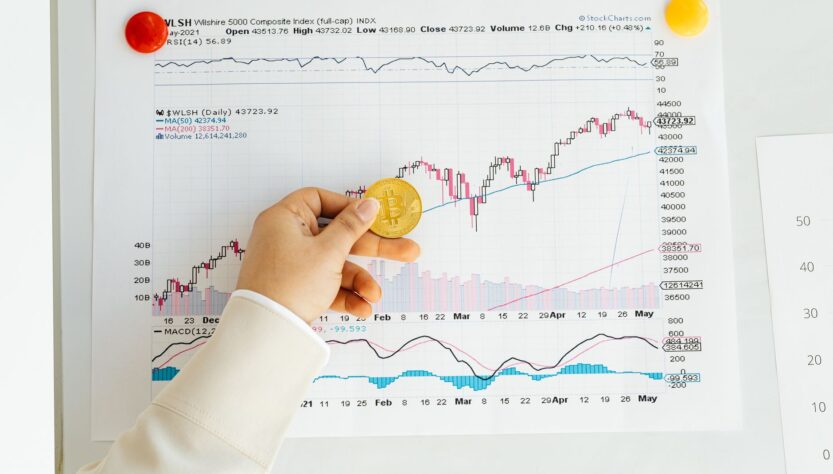
Gold price forecast indicates that the precious metal is headed for its worst week in eight months. Investors are now questioning if the $3,518 level can hold amidst market volatility.
Current Gold Price Trends
The current gold price trends indicate a significant downturn, as investors brace for what is being termed as the worst week for gold in eight months. Analysts are closely monitoring the fluctuations in the gold market, particularly the XAUUSD pairing, which has shown increased volatility.
In recent trading sessions, the price of gold has faced pressure due to various economic factors, including:
- Inflation concerns: Rising inflation rates have historically influenced gold prices.
- Interest rate hikes: Expectations of higher interest rates can make gold less attractive.
- Geopolitical tensions: Uncertainty in global politics often drives investors towards safer assets like gold.
This week’s gold price forecast remains uncertain, as market sentiment fluctuates. Investors are advised to stay informed and consider their strategies carefully in light of these trends.
Market Factors Influencing Gold
The gold price forecast has been significantly impacted by several market factors this week. Investors are closely monitoring economic indicators that could sway the demand for gold as a safe-haven asset.
- Inflation Rates: Recent reports indicate rising inflation, which traditionally boosts gold prices as investors seek to protect their wealth.
- Geopolitical Tensions: Ongoing conflicts and uncertainty in global markets often lead to increased investment in gold, driving prices upward.
- Central Bank Policies: Decisions made by central banks regarding interest rates and monetary policy play a crucial role in influencing investor sentiment towards gold.
- Currency Strength: Fluctuations in the US dollar can affect gold prices, as a stronger dollar typically makes gold more expensive for international buyers.
Understanding these factors is essential for investors looking to navigate the current market landscape and make informed decisions based on the gold price forecast.
Historical Performance of Gold
The historical performance of gold has shown significant fluctuations, often influenced by various economic indicators and global events. Over the past decade, gold has been viewed as a safe-haven asset, particularly during times of economic uncertainty.
Looking at previous trends, gold prices have experienced both dramatic increases and decreases, reflecting investor sentiment and market dynamics. Some key historical points include:
- In 2011, gold reached an all-time high, peaking at around $1,900 per ounce.
- The price then declined sharply, dropping below $1,200 by the end of 2015.
- In 2020, amidst the COVID-19 pandemic, gold surged again, hitting new highs as investors sought stability.
Currently, the gold price forecast suggests that this may be one of the worst weeks for investors, as market volatility continues to impact prices.
Silver Price Movements
The silver market has experienced notable fluctuations recently, impacting investor sentiment alongside the gold price forecast. As the week progresses, silver prices have mirrored the volatility seen in gold, raising concerns for many investors.
Key factors influencing silver price movements include:
- Market Demand: Industrial demand for silver remains strong, particularly in electronics and renewable energy sectors.
- Investor Behavior: Many investors are shifting their focus to silver as a hedge against inflation, which can drive prices higher.
- Global Economic Conditions: Uncertainty surrounding monetary policy and geopolitical tensions has caused fluctuations in both gold and silver markets.
With gold heading for what analysts predict may be the worst week in eight months, the silver market could be impacted as investors reassess their strategies in light of the gold price forecast.
Investor Sentiment Analysis
Investor sentiment has taken a significant hit this week as traders grapple with the latest gold price forecast. Many are expressing concerns over the potential for further declines, especially as gold heads for its worst week in eight months. This negative outlook is largely influenced by rising interest rates and a stronger U.S. dollar, which have put downward pressure on precious metal prices.
Despite this bearish sentiment, some investors remain hopeful. They believe that gold will eventually rebound, driven by geopolitical tensions and ongoing economic uncertainties. Key indicators to watch include:
- Inflation rates and their impact on safe-haven assets.
- Central bank policies regarding interest rates.
- Global market trends and their influence on investor behavior.
Overall, the current mood among investors suggests a cautious approach as they navigate these turbulent times in the gold market.
Technical Analysis of Gold
The technical analysis of gold reveals a concerning outlook for investors as the gold price forecast suggests potential downturns in the coming weeks. Analysts are observing several key indicators that may influence the market.
- Support Levels: The current support level is around $1,850, which, if breached, could lead to further declines.
- Resistance Levels: Resistance is noted at approximately $1,900, making it a pivotal point for price recovery.
- Moving Averages: The 50-day moving average is trending downwards, indicating bearish momentum.
- RSI Indicator: The Relative Strength Index (RSI) is nearing oversold territory, suggesting potential for a rebound.
- Volume Trends: Decreasing trading volumes may signal a lack of investor confidence.
As the week progresses, market participants will closely monitor these technical indicators for signs of a shift in gold’s trajectory.
Can $3,518 Hold?
The recent fluctuations in gold prices have raised questions among investors regarding the potential for a rebound. As analysts delve into the gold price forecast, one critical level to watch is $3,518. This threshold has become a focal point for traders as it reflects market sentiment and technical indicators.
Factors contributing to this scenario include:
- Increased market volatility – Heightened uncertainty can lead to rapid price changes.
- Global economic indicators – Data releases can significantly influence gold’s appeal as a safe-haven asset.
- Central bank policies – Adjustments in interest rates may impact investor decisions regarding gold investments.
As the week progresses, many will be watching closely to see if gold can maintain its position above this critical level, which could determine the direction of the market in the near term.
Future Outlook for Precious Metals
The future outlook for precious metals remains uncertain as investors grapple with recent market fluctuations. Analysts are closely monitoring several factors that could influence gold price forecasts in the coming weeks.
Key considerations include:
- Global Economic Conditions: Continued inflation concerns and potential interest rate hikes may impact investor behavior.
- Geopolitical Tensions: Ongoing conflicts and instability can drive demand for safe-haven assets like gold.
- Currency Strength: The value of the U.S. dollar plays a crucial role in gold pricing, as a stronger dollar typically leads to lower gold prices.
- Market Sentiment: Investor confidence and market trends will continue to shape the outlook for both gold and silver.
As the market evolves, the gold price forecast will be pivotal for investors looking to navigate these challenging conditions.
Photo by kaboompics on Pexels