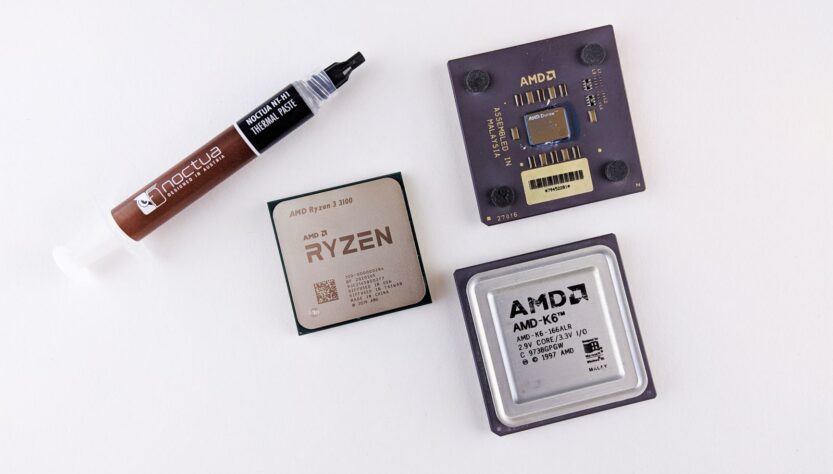
AMD China ties are complicating the company’s appeal as a rival to Nvidia. The intricate relationship with China could impact AMD’s market position and competitive strategy moving forward.
Understanding AMD’s Strategy
AMD’s strategy in China has evolved significantly, impacting its position as a competitor to Nvidia. The company’s ties with China provide both opportunities and challenges that shape its market dynamics.
One of the primary benefits of AMD’s China ties is:
- Market Expansion: Access to a vast and growing consumer base in China allows AMD to increase its sales and brand recognition.
- Partnerships: Collaborations with local companies can lead to innovative developments and tailored products for the Asian market.
However, these relationships also pose potential risks:
- Geopolitical Tensions: Ongoing trade disputes between the U.S. and China could jeopardize AMD’s operations and supply chains.
- Regulatory Scrutiny: Increased scrutiny from both U.S. and Chinese regulators may complicate AMD’s business strategies.
As AMD navigates its China ties, the company must balance the benefits of expanded reach with the risks of geopolitical fallout, which may influence its competitiveness against Nvidia in the long run.
The Impact of China on AMD
The relationship between AMD and China has raised questions about its implications for the company’s competitive stance against Nvidia. As AMD strengthens its ties with China, it faces both opportunities and challenges that could reshape its market dynamics.
On one hand, AMD’s collaborations in China can enhance its production capabilities and expand its customer base. The growing demand for advanced computing solutions in China presents a significant opportunity for AMD to increase its market share.
On the other hand, these China ties may complicate AMD’s appeal to international customers who are wary of geopolitical tensions. Concerns over supply chain vulnerabilities and the potential for sanctions could impact AMD’s reputation in the global market.
Industry analysts highlight several key factors regarding this dynamic:
- Geopolitical risks: Ongoing trade disputes may hinder AMD’s growth potential.
- Investment impacts: Increased scrutiny over foreign investments could limit AMD’s access to funding.
- Innovation collaboration: Partnerships could lead to breakthroughs but also raise intellectual property concerns.
Ultimately, AMD’s strategy regarding its China ties will be crucial in determining its ability to compete effectively with Nvidia.
Nvidia’s Competitive Edge
Nvidia has long held a dominant position in the graphics processing unit (GPU) market, and its competitive edge is bolstered by several strategic advantages. One of the key factors contributing to Nvidia’s success is its robust ecosystem of software and hardware integration, which enhances user experience and performance.
In contrast, AMD’s China ties complicate its appeal as Nvidia’s rival. While AMD has made significant strides in recent years, its relationship with China may raise concerns among potential customers regarding reliability and security. This could hinder AMD’s ability to penetrate markets that are particularly sensitive to geopolitical issues.
Moreover, Nvidia’s investment in research and development allows it to stay ahead in terms of innovation. This continuous focus on cutting-edge technology, such as AI and machine learning applications, positions Nvidia as the go-to choice for consumers seeking the latest advancements.
As the competition heats up, AMD must navigate the complexities of its China ties while striving to enhance its product offerings and market presence. Failure to effectively address these challenges could further widen the gap between it and Nvidia in the GPU landscape.
Market Reactions to AMD’s Ties
Market reactions to AMD’s China ties have been mixed, reflecting concerns and opportunities for the semiconductor giant. As AMD strengthens its relationship with China, investors are weighing the potential implications for its competitiveness against Nvidia.
Some analysts argue that AMD’s China ties could enhance its market presence in one of the world’s largest tech markets. They highlight the following points:
- Increased Revenue Potential: AMD could benefit from higher sales volumes in China, where demand for advanced computing technology is surging.
- Strategic Partnerships: Collaborations with Chinese firms may accelerate AMD’s innovation and product development.
- Diversification: Expanding its footprint in China could reduce AMD’s reliance on Western markets and mitigate geopolitical risks.
On the other hand, concerns persist regarding the impact of these ties on AMD’s broader appeal. Investors fear that close relationships with China might raise regulatory scrutiny and lead to potential backlash from Western governments.
Ultimately, AMD’s China ties may present both challenges and opportunities as it seeks to solidify its position as a formidable competitor to Nvidia.
Future Prospects for AMD
As the technology landscape evolves, the future prospects for AMD hinge significantly on its China ties. With a rapidly growing market for semiconductors in China, AMD has the potential to leverage these connections to expand its influence in the region. However, this strategy comes with its own set of challenges and risks.
Analysts suggest that AMD’s China ties could either bolster or hinder its competitive stance against Nvidia. The company may benefit from increased sales and partnerships within China, yet it also risks facing scrutiny and potential backlash from consumers and regulators who are wary of reliance on Chinese markets.
To navigate this complex scenario, AMD must focus on several key areas:
- Diversification: Expanding its market reach beyond China to minimize dependency.
- Innovation: Continuing to invest in cutting-edge technology to stay competitive.
- Strategic Partnerships: Forming alliances that enhance its global presence while balancing its China ties.
Ultimately, AMD’s ability to manage its China ties will determine how effectively it can challenge Nvidia in the competitive semiconductor market.
Comparing AMD and Nvidia
When analyzing the competitive landscape of the semiconductor industry, it is essential to compare the strengths and weaknesses of AMD and Nvidia. Both companies have carved out significant niches in the graphics processing unit (GPU) market, but their strategies and market perceptions vary widely.
AMD has leveraged its China ties to tap into one of the largest consumer markets in the world, fostering partnerships that can enhance its product distribution and technological collaboration. However, these relationships can also raise concerns about reliability and security in the eyes of international customers.
On the other hand, Nvidia has built a reputation for high-performance products and innovative technologies, positioning itself as a leader in AI and deep learning applications. While AMD’s ties to China provide certain advantages, they could also hinder its ability to compete, particularly if geopolitical tensions escalate.
Ultimately, the rivalry between AMD and Nvidia will continue to evolve, driven by technological advancements, market demands, and the implications of AMD’s China ties on its global standing. Investors and consumers alike will be closely monitoring how these dynamics unfold.
The growing concerns surrounding AMD China ties could potentially reshape the competitive landscape in the semiconductor industry. As Nvidia continues to innovate, the implications of AMD China ties may pose significant challenges for its market position.
Photo by Andrey Matveev on Pexels
References
Anthropic IPO: Is It the Best Investment Opportunity Now? · Promote savings culture: PM Modi’s call for change · Gold price in India: Best Rates to Know Today