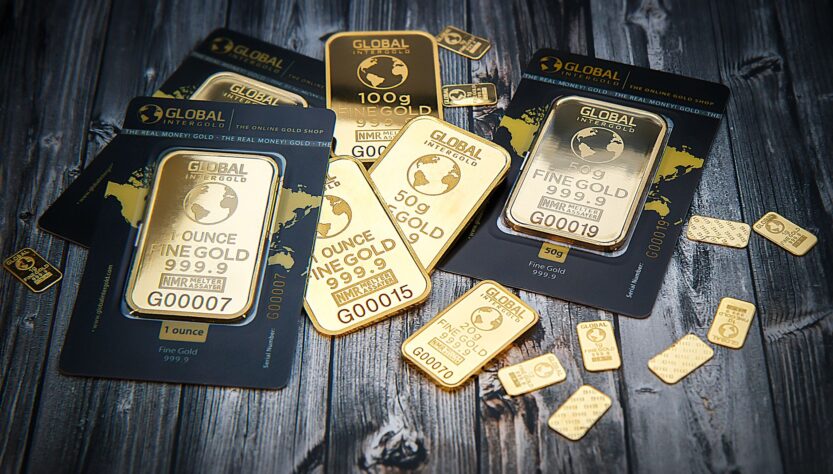
Gold price in India is a crucial indicator for investors and buyers. On November 19, the rates reflect market dynamics and global influences.
Current Gold Price Trends
As of November 19, the gold price in India has shown notable fluctuations, reflecting broader market trends and various economic factors. Investors and buyers are closely monitoring these changes to make informed decisions regarding their purchases.
Currently, the price of 24-carat gold is approximately ₹57,000 per 10 grams, while 22-carat gold is priced around ₹52,000 per 10 grams. These rates can vary significantly based on the location and the jeweler, so it is advisable for consumers to check local prices before making any transactions.
Several factors contribute to the current trends in gold prices:
- Global Economic Indicators: Economic stability and inflation rates across major economies impact gold prices worldwide.
- Currency Fluctuations: Changes in the value of the Indian Rupee against the US Dollar can lead to price adjustments in gold.
- Demand and Supply: Seasonal demand, particularly during festivals and weddings, influences the market significantly.
- Geopolitical Tensions: Uncertainty in international relations often leads investors to seek the safety of gold, driving prices higher.
In conclusion, understanding the dynamics of the gold price in India is crucial for buyers looking to invest or purchase gold jewelry, especially during this fluctuating market period.
Factors Influencing Gold Prices
The gold price in India is influenced by a myriad of factors that can cause fluctuations in its value. Understanding these factors is essential for investors and buyers alike. Here are some of the key elements that play a significant role in determining gold prices:
- Global Market Trends: Gold prices are significantly affected by international market trends. When global demand increases, it can lead to higher prices in India.
- Currency Fluctuations: The value of the Indian Rupee against the US Dollar can impact gold prices. A weaker Rupee typically results in higher gold prices.
- Inflation Rates: During periods of high inflation, investors often turn to gold as a safe haven, driving up demand and, consequently, prices.
- Interest Rates: Lower interest rates can lead to higher gold prices as the opportunity cost of holding gold diminishes.
- Festive and Wedding Seasons: In India, cultural traditions around weddings and festivals lead to increased demand for gold, which can elevate prices.
- Geopolitical Stability: Political tensions and uncertainties can boost gold’s appeal as a safe investment, influencing its market price.
By keeping an eye on these factors, buyers can make more informed decisions regarding the gold price in India and its movements.
Gold Price in India: Historical Context
The gold price in India has a rich historical context that reflects the country’s deep-rooted cultural connections to this precious metal. Traditionally, gold has been a symbol of wealth and prosperity, often used in marriages and religious ceremonies. This historical significance has led to consistent demand, influencing pricing trends over the decades.
In the early 2000s, gold prices in India were relatively stable, hovering around Rs. 5,000 per 10 grams. However, the global economic changes, particularly the 2008 financial crisis, saw a dramatic increase in gold prices, as investors turned to gold as a safe haven. By 2012, the price had surged to approximately Rs. 30,000 per 10 grams, highlighting a significant shift in consumer behavior and investment strategies.
Over the years, the price dynamics have further evolved due to various factors, including international demand and geopolitical tensions. The introduction of gold ETFs and other investment products also played a role in enhancing accessibility for common investors, leading to increased participation in the gold market.
As of today, the gold price in India continues to be influenced by global trends, local demand, and economic stability, making it essential for investors to stay informed about historical shifts and current market conditions.
How to Buy Gold in India
Buying gold in India has become increasingly popular, particularly in the current financial landscape where gold price in India is a topic of significant interest. For those looking to invest in this precious metal, there are several options available.
Firstly, individuals can purchase physical gold in the form of jewelry, coins, or bars. This method allows buyers to possess tangible assets, but it is essential to consider the following:
- Certification: Always buy from reputable dealers who provide certification to ensure the purity of the gold.
- Making Charges: When purchasing jewelry, be aware of additional making charges that can significantly increase the total cost.
Another popular option is investing in gold ETFs (Exchange-Traded Funds) or sovereign gold bonds. These options offer a more secure and hassle-free way to invest without the need for physical storage. Key considerations include:
- Liquidity: Gold ETFs can be traded on stock exchanges, providing ease of buying and selling.
- Tax Benefits: Sovereign gold bonds come with tax exemptions, making them a financially smart choice.
In conclusion, whether opting for physical gold or digital investments, it is crucial to stay informed about the gold price in India to make wise purchasing decisions.
Gold Price Predictions for 2023
As we look ahead to the remainder of 2023, experts are making predictions about the gold price in India. Several indicators suggest that demand for gold could remain strong, particularly due to festive seasons and wedding seasons that typically drive up purchases.
Analysts believe that the following factors will play a significant role in determining gold prices:
- Global Economic Conditions: The state of the global economy, especially in major markets like the United States and China, can influence gold prices. A recession or economic instability often leads to increased demand for gold as a safe-haven asset.
- Inflation Rates: Rising inflation may lead to higher gold prices, as investors often turn to gold to protect their wealth from diminishing purchasing power.
- Central Bank Policies: Actions taken by central banks, especially regarding interest rates, can impact gold prices. Lower interest rates typically make gold more appealing due to its non-yielding nature.
- Currency Fluctuations: The strength of the Indian Rupee against the US Dollar can also affect the gold price in India. A weaker Rupee generally results in higher gold prices.
Overall, while predictions remain uncertain, the interplay of these factors will likely shape the gold market in the coming months.
Impact of Global Markets on Gold Prices
The fluctuations in the gold price in India are significantly influenced by the dynamics of global markets. As gold is traded globally, various external factors play a crucial role in determining its local price. The interplay between geopolitical tensions, currency strength, and economic reports from major economies, particularly the United States, can lead to immediate changes in gold prices.
One of the primary factors is the strength of the US dollar. A strong dollar typically results in lower gold prices, as it makes gold more expensive for buyers using other currencies. Conversely, when the dollar weakens, gold becomes more affordable, often leading to increased demand and higher prices in markets like India.
Additionally, global economic indicators such as inflation rates, employment data, and central bank policies can impact investor sentiment towards gold. When economic uncertainty looms, investors often flock to gold as a safe-haven asset, driving up prices.
In recent weeks, fluctuations in global gold prices have been observed, driven by factors such as international trade tensions and changes in interest rates by central banks. Keeping an eye on these global market trends is essential for Indian consumers looking to understand the current gold price in India and make informed buying decisions.
As the global landscape continues to evolve, the impact on gold prices will remain a critical factor for investors and buyers alike.
Gold Price in India: What to Expect Next
As investors navigate the ever-changing landscape of commodities, understanding the future trajectory of the gold price in India becomes increasingly important. Recent trends suggest that volatility may remain prevalent, influenced by both domestic and international factors.
Analysts predict that in the coming weeks, the gold price in India could experience fluctuations driven by:
- Global Economic Indicators: Key economic reports from major economies, particularly the United States, can heavily influence gold prices.
- Central Bank Policies: Decisions made by central banks regarding interest rates and inflation can have a direct impact on gold’s appeal as a safe-haven asset.
- Geopolitical Tensions: Any escalation in global conflicts or trade disputes may lead to increased demand for gold, pushing prices higher.
- Domestic Demand Trends: In India, the wedding season and festivals often lead to a spike in gold purchases, which can affect local pricing.
Investors should remain vigilant and consider these factors when making decisions regarding gold purchases. Staying informed about market trends and potential shifts in demand can provide valuable insights into future price movements. As always, it is advisable to consult with financial experts before making significant investments.
Tips for Investing in Gold
Investing in gold can be a rewarding endeavor, especially in a market as volatile as the one we are experiencing today. Here are some tips to consider when investing in gold, particularly in the context of the gold price in India.
- Understand the Market: Stay updated on current trends and fluctuations in gold prices. Monitoring daily rates can help you make informed decisions.
- Diversify Your Investments: While gold can be a safe haven, it’s wise to diversify your portfolio to mitigate risks. Consider mixing gold with other asset classes.
- Choose the Right Form: Decide whether you want to invest in physical gold, gold ETFs, or sovereign gold bonds. Each form has its advantages and disadvantages.
- Buy During Dips: Timing your purchase can be crucial. Look for opportunities to buy when prices dip to maximize your investment.
- Consult Experts: Seek advice from financial advisors who specialize in precious metals to guide your investment strategy.
- Stay Informed: Follow global economic indicators and news that can influence the gold price in India, as these factors can significantly impact your investment.
By following these tips, investors can navigate the complexities of investing in gold and make sound decisions that align with their financial goals.
Photo by Michael Steinberg on Pexels
Sources
Antibiotics Stop Working: The Worst Challenge for Patients · Topical Papaverine Dressing: Is It the Best Solution for Wounds? · India VIX Today: What’s the Proven Impact on Markets?