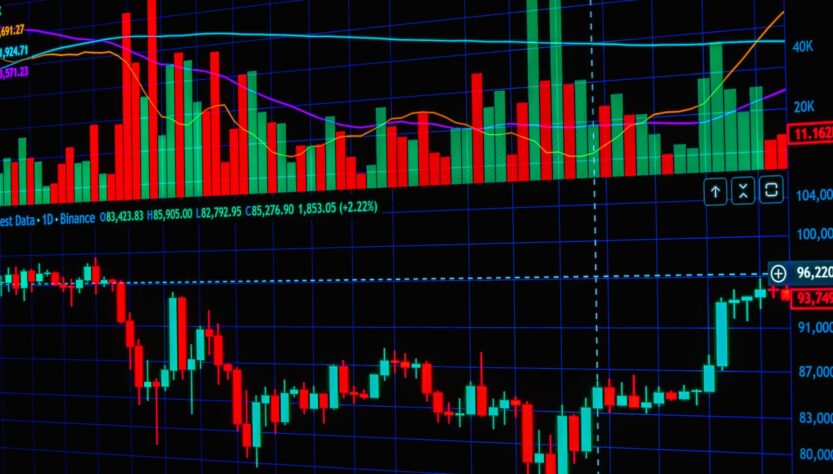
India VIX today reflects a rise of 0.26% to 15.56, suggesting shifts in market sentiment and investor confidence. This change can influence trading strategies and market predictions.
What is India VIX?
The India VIX, often referred to as the volatility index, serves as a crucial indicator of market sentiment and investor expectations regarding future volatility in the Indian stock market. It reflects the market’s forecast of volatility over the next 30 days and is derived from the Nifty options prices. A rising India VIX indicates increasing investor uncertainty and potential market fluctuations, while a falling VIX suggests a more stable market environment.
The current level of the India VIX today stands at 15.56, having risen by 0.26%. This uptick may signal a growing apprehension among investors, potentially influenced by global economic factors, domestic policy changes, or upcoming corporate earnings announcements. Understanding the implications of the VIX can help traders and investors make informed decisions.
- High VIX Levels: Often associated with bearish market trends.
- Low VIX Levels: Typically indicate bullish sentiment and stability.
- Market Impact: Changes in the India VIX can lead to shifts in trading strategies, affecting both short-term and long-term investments.
Monitoring the India VIX is essential for anyone looking to navigate the complexities of the Indian financial landscape effectively.
Understanding Market Volatility
Market volatility is a critical factor that investors must consider when navigating the financial landscape. It reflects the degree of variation of trading prices over time and is often measured using indices like the India VIX. This index serves as a gauge of market sentiment and investor expectations regarding future price fluctuations.
The significance of understanding market volatility cannot be overstated. It affects investment strategies, portfolio management, and overall market behavior. Investors often look to the India VIX today for insights into potential market movements. A rising VIX typically indicates increasing uncertainty or fear among investors, while a declining VIX can signify stability and confidence.
Factors contributing to changes in the India VIX include economic indicators, geopolitical events, and market trends. For instance, significant policy announcements or unexpected economic data can lead to spikes in volatility. Monitoring the India VIX today can provide traders and investors with valuable information, allowing them to make informed decisions amidst fluctuating market conditions.
As volatility impacts various asset classes, from equities to commodities, understanding the implications of the India VIX is essential for anyone looking to navigate the complexities of the market effectively. By analyzing volatility trends, investors can better position their portfolios to withstand market shocks.
Recent Trends in India VIX
Recent trends in India VIX reveal a notable uptick, with the index rising by 0.26% to 15.56 today. This increase indicates a heightened level of market volatility, prompting investors to reassess their strategies.
Historically, fluctuations in the India VIX have been closely correlated with movements in the broader market. A rising VIX often serves as a signal of increasing uncertainty, which can affect investor sentiment. Here are some key observations regarding recent trends:
- Increased Investor Anxiety: A rise in India VIX typically reflects growing concerns among investors about potential market downturns.
- Market Reactions: On days when the India VIX rises, markets often witness heightened trading activity, as investors seek to hedge their positions.
- Sector Sensitivity: Certain sectors react more dramatically to changes in the VIX, particularly those perceived as riskier, like technology and finance.
- Impact on Derivatives: The derivatives market also experiences shifts, with options trading volume increasing as investors anticipate market movements.
As traders monitor the India VIX today, understanding these trends becomes crucial for navigating the complexities of the current market environment.
How India VIX Affects Trading
The India VIX today is a crucial indicator for traders looking to gauge market sentiment and volatility. As a measure of expected market fluctuations, it provides insights that can influence trading decisions significantly. When the India VIX rises, it typically indicates increased uncertainty among investors, leading to more cautious trading behaviors.
Several factors contribute to how India VIX affects trading:
- Market Sentiment: A higher VIX often signifies fear in the market, prompting traders to adopt defensive positions.
- Option Pricing: The India VIX plays a vital role in determining option premiums. A rise in the index can lead to increased option prices, affecting strategies that involve derivatives.
- Portfolio Management: Traders may adjust their portfolios based on VIX movements, opting for safe-haven assets during periods of high volatility.
- Risk Assessment: Understanding the India VIX today helps traders assess risk levels and make informed decisions regarding entry and exit points in the market.
Ultimately, the India VIX serves as a barometer for market conditions, making it an essential tool for traders aiming to navigate the complexities of financial markets effectively.
Expert Opinions on Current VIX Levels
Market analysts have been closely monitoring the India VIX today, particularly in light of its recent rise to 15.56, an increase of 0.26%. This uptick has prompted various experts to weigh in on its potential implications for the markets.
- Dr. Ayesha Mehta, a leading market strategist, noted that the current levels of the India VIX indicate a cautious sentiment among investors. “The increase suggests that traders are expecting higher volatility in the near term, which could impact investment decisions significantly,” she stated.
- Mr. Ravi Kumar, a financial analyst, emphasized that the VIX is often viewed as a barometer of market fear. “As the VIX rises, it generally signals that investors are anxious about potential market downturns, leading to increased hedging activities,” he explained.
- Ms. Neha Sharma, a portfolio manager, highlighted the historical context of such VIX levels. “While a VIX around 15 is not alarming, it requires traders to remain vigilant, as even minor market shocks can lead to larger-than-usual movements,” she advised.
As experts continue to analyze the implications of the India VIX today, it is clear that understanding these fluctuations is crucial for making informed trading decisions in an unpredictable market environment.
Future Predictions for India VIX
As investors look ahead, future predictions for India VIX today remain a crucial focus. Analysts predict that fluctuations in the India VIX can significantly influence market sentiment and trading strategies. Given the current rise of 0.26% to 15.56, several factors may impact its trajectory in the near term.
Experts highlight the following key elements to consider:
- Global Economic Conditions: The ongoing geopolitical tensions and economic data releases globally may lead to increased volatility, affecting the India VIX.
- Domestic Policies: Changes in fiscal and monetary policies in India could either mitigate or exacerbate market volatility, directly influencing the VIX levels.
- Market Sentiment: Investor psychology plays a vital role; an increase in fear or uncertainty among traders can lead to a spike in the India VIX.
- Technical Indicators: Many traders also rely on technical analysis to predict future movements in the India VIX, observing patterns and trends.
Overall, as the market continues to react to both domestic and international developments, the India VIX today serves as a barometer for potential market shifts, making it essential for traders to stay informed and adjust their strategies accordingly.
Photo by Rafael Minguet Delgado on Pexels
Read the original
Related stories
Nvidia future: Worst outlook for Jensen Huang’s vision · Mary Peltola Alaska Senate: Is This the Best Win for Democrats? · Nvidia earnings test: Worst market reactions ahead of results