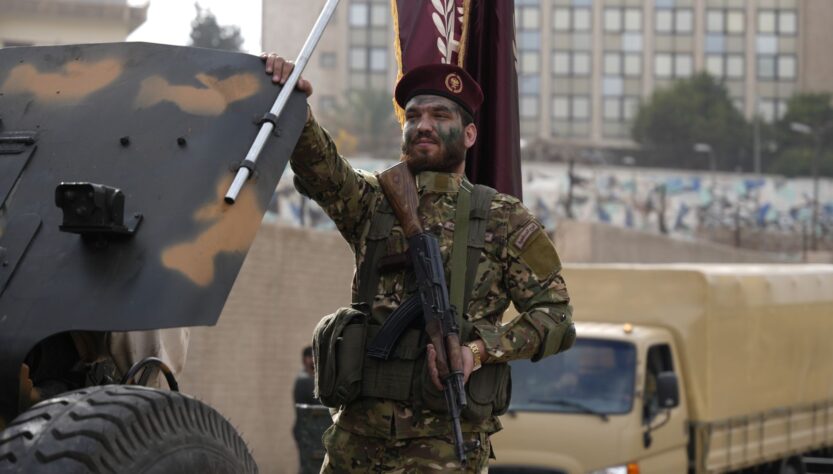
Yemeni government forces have claimed that 1,860 Houthis have been neutralised in recent operations. This development raises questions about the future of the conflict in Yemen and its implications for regional stability.
Overview of the Conflict in Yemen
The conflict in Yemen has been a prolonged and complex struggle, primarily involving the Yemeni government forces and the Houthi movement. Since the outbreak of hostilities in 2014, the situation has escalated, leading to a significant humanitarian crisis. The Yemeni government forces, backed by a coalition led by Saudi Arabia, have been engaged in intense battles against the Houthis, who have gained control over substantial territories, including the capital, Sana’a.
Recently, the Yemeni government forces reported that they have successfully neutralised 1,860 Houthi fighters. This claim highlights the ongoing military operations aimed at regaining control and stability in the region. The impact of these neutralisations is multi-faceted:
- Strategic Advantage: Reducing Houthi numbers may shift the balance of power.
- Humanitarian Implications: Continued conflict exacerbates the humanitarian crisis.
- Potential for Peace Talks: A weakened Houthi presence could open avenues for negotiations.
As the situation develops, the international community remains watchful, hoping for a resolution to this enduring conflict.
Recent Developments in Military Operations
Recent military operations conducted by the Yemeni government forces have resulted in the significant neutralisation of Houthi combatants. According to official reports, approximately 1,860 Houthis have been neutralised in recent engagements, marking a critical development in the ongoing conflict.
This strategic advancement highlights the effectiveness of coordinated military efforts aimed at reclaiming territories held by Houthi rebels. The Yemeni government forces have employed a combination of ground assaults and aerial bombardments, optimizing their capabilities to target Houthi strongholds.
In addition to combat successes, these operations have led to the following outcomes:
- Increased territorial control: Government forces have regained access to key regions previously dominated by Houthis.
- Disruption of supply lines: The neutralisation efforts have significantly hindered the logistical operations of Houthi factions.
- Boosted morale: The success in neutralising a substantial number of adversaries has invigorated the Yemeni government forces and their allies.
These developments signify a pivotal moment in the conflict, underscoring the ongoing struggle for power and stability in Yemen.
Impact of Neutralising Houthis on Peace Efforts
The recent claim by Yemeni government forces that they have neutralised 1,860 Houthis marks a significant moment in the ongoing conflict. This development could impact peace efforts in various ways.
Firstly, the neutralisation of such a substantial number of Houthi fighters may weaken the group’s military capabilities, potentially leading to a shift in the balance of power. This could open the door for more serious negotiations aimed at ending the conflict.
However, the impact of this military action on peace efforts remains complex. While some view it as a step towards stability, others fear it could escalate tensions further. Key factors include:
- Increased Hostility: Ongoing military successes may provoke retaliatory actions from the Houthis.
- International Reactions: The international community may respond differently to the Yemeni government forces’ claims.
- Humanitarian Concerns: The ongoing conflict continues to exacerbate the humanitarian crisis in Yemen.
Ultimately, the true impact of neutralising Houthis will be measured by how it influences future peace negotiations.
International Reactions to Yemeni Government Claims
International reactions to the claims made by Yemeni government forces regarding the neutralisation of 1,860 Houthis have been mixed, reflecting the complex nature of the ongoing conflict. Some countries have expressed support for the Yemeni government’s military efforts, viewing the actions as a necessary step towards restoring stability in the region.
Key points of international reaction include:
- Support from Allies: Nations such as Saudi Arabia and the United Arab Emirates have reiterated their backing of Yemeni government forces, stressing the importance of combating Houthi advances.
- Concerns from Humanitarian Groups: Organizations like the United Nations have raised alarms over the potential escalation of violence, fearing that such military actions could undermine ongoing peace negotiations.
- Calls for Dialogue: Various international actors are urging both sides to engage in dialogue, advocating for a peaceful resolution to the conflict.
This ongoing discourse highlights the delicate balancing act required to address both military and humanitarian needs in Yemen.
Analysis of the Current Military Situation
The recent claims by Yemeni government forces regarding the neutralisation of 1,860 Houthis have sparked significant analysis among military experts and analysts. This substantial figure raises questions about the current military situation in Yemen and the potential ramifications for ongoing efforts to stabilize the region.
Many observers note that the reported neutralisations could shift the balance of power, providing the Yemeni government forces with a tactical advantage. However, the situation remains complex, as the Houthis are known for their resilience and ability to regroup. The following points summarize key aspects of the current military landscape:
- Increased Pressure: The neutralisation of a significant number of Houthis may lead to increased military pressure on the remaining forces.
- Regional Stability: A weakened Houthi presence could foster new opportunities for peace negotiations.
- Potential Backlash: Conversely, such military actions might provoke retaliatory measures from Houthi supporters.
Ultimately, the effectiveness of Yemeni government forces in maintaining this momentum will determine the future trajectory of the conflict.
Future Prospects for Yemen’s Stability
The recent claims by Yemeni government forces regarding the neutralisation of 1,860 Houthis have sparked discussions about the future stability of Yemen. While some analysts believe this military success could pave the way for renewed peace talks, others caution that lasting stability is far from guaranteed.
Key factors influencing the future landscape include:
- Political Unity: A unified front among Yemeni factions is crucial. Any division could undermine the efforts of the Yemeni government forces.
- International Support: Continued backing from global powers may play a critical role in securing a lasting peace, as external influence can stabilize the region.
- Humanitarian Conditions: Addressing the dire humanitarian crisis in Yemen is essential for fostering goodwill among the populace and reducing support for militant groups.
Ultimately, while the actions of Yemeni government forces may bring a temporary shift in dynamics, a comprehensive approach that encompasses military, political, and humanitarian efforts will be necessary for sustained peace.
Local Perspectives on the Ongoing Conflict
The ongoing conflict in Yemen has deeply affected local communities, with residents expressing mixed feelings about the recent claims by Yemeni government forces regarding the neutralisation of 1,860 Houthis. Some locals believe that this military action may pave the way for a more stable environment, fostering hopes for peace and recovery.
- A resident from Taiz noted, “While the loss of life is tragic, we hope this will help in ending the violence and bring about a lasting peace.”
- Conversely, a community leader in Sana’a expressed concern, stating, “More military actions could lead to increased retaliation from Houthi factions, further complicating our situation.”
- Many families continue to live in fear, as they worry about the repercussions of such military claims and the potential for escalated conflict.
These local perspectives highlight the complexities of the situation, with residents caught between a desire for security and the harsh realities of ongoing warfare. The impact of Yemeni government forces’ actions remains a contentious topic within the affected communities.
Photo by Baraa Obied on Pexels