Pensacola fishing charter recently made headlines after a large drone was discovered floating in the Gulf. This unexpected find raises questions about the safety and implications of drones in marine environments.
Overview of the Incident
In a surprising turn of events, a Pensacola fishing charter recently discovered a large drone floating in the Gulf of Mexico. The incident occurred during a routine fishing expedition, which quickly turned into an unexpected adventure for the crew and passengers. As they navigated the waters, the team spotted the drone bobbing in the waves, prompting curiosity and concern about how it ended up there.
The charter crew immediately took action, using their boat to retrieve the drone from the water. After securing the device, they examined it for any identifiable markings or signs of ownership. This unusual find sparked discussions among fishing enthusiasts and tech lovers alike, highlighting both the wonders and mysteries of the Gulf waters.
Such incidents add an element of excitement to a Pensacola fishing charter, reminding everyone that the sea can hold unexpected surprises.
What Happened During the Charter
During the Pensacola fishing charter, a surprising discovery was made when a large drone was found floating in the Gulf. Crew members were initially startled, as this was not an ordinary catch. The drone appeared to be fully intact and seemed to have been lost or abandoned, raising questions about its origin and purpose.
As the charter continued, the crew took precautions to safely retrieve the drone, ensuring that it posed no threat to the fishing activities. Upon inspection, they noted its advanced features, which included high-definition cameras and sophisticated navigation systems.
This unexpected encounter sparked curiosity among the passengers, leading to discussions about the implications of technology in recreational fishing. Participants expressed excitement about the day’s events, emphasizing that such surprises are part of the allure of charter fishing in Pensacola.
Overall, this incident added an unforgettable element to the fishing experience.
Reactions from the Fishing Community
Reactions from the fishing community in Pensacola have been varied following the recent discovery of a large drone floating in the Gulf during a fishing charter. Many local anglers expressed surprise at the find, with some considering it a testament to the area’s vibrant marine environment.
“We often see unusual things while out on the water, but a drone is definitely a first for me,” said local fisherman Tom Sanders. “It makes you wonder what else is out there.”
Others have raised concerns about the potential impact of such technology on marine life and fishing practices. “As someone who relies on the ocean for my livelihood, I hope this doesn’t become a trend,” remarked Sarah Lopez, a charter captain.
The Pensacola fishing charter community continues to discuss the implications of this incident, with many eager to find out more about the drone’s origin.
Safety Concerns with Drones
As the popularity of Pensacola fishing charters continues to rise, safety concerns have emerged regarding the use of drones in fishing activities. During a recent incident, a large drone was found floating in the Gulf, raising alarms among charter operators and anglers alike.
Among the primary safety concerns are:
- Collision Risks: Drones flying too low can pose a danger to boats and individuals on the water.
- Distraction: The presence of drones may distract anglers, leading to accidents or mishaps.
- Liability Issues: Operators may face legal challenges if a drone causes damage or injury.
To mitigate these risks, many charter operators are urging for clearer guidelines on drone usage during fishing excursions. Ensuring the safety of all participants should remain a top priority in this evolving landscape.
Environmental Impact of Floating Drones
The recent discovery of a large drone floating in the Gulf during a Pensacola fishing charter has raised important discussions about the environmental impact of such technologies. While drones can enhance fishing experiences by locating schools of fish and monitoring weather conditions, their presence poses potential risks to marine ecosystems.
Key concerns include:
- Wildlife Disturbance: Drones can disrupt the natural behaviors of marine animals, potentially leading to stress or displacement.
- Pollution: If drones malfunction or are discarded, they could contribute to ocean pollution, harming aquatic life.
- Marine Navigation: The introduction of drones in fishing areas may confuse navigational routes for boats, leading to potential accidents.
As the fishing community in Pensacola contemplates the integration of technology in their practices, maintaining a balance between innovation and environmental stewardship remains crucial.
Future of Drone Regulations in Fishing
As technology continues to evolve, the future of drone regulations in fishing is becoming an increasingly hot topic among charter operators and anglers alike. The recent discovery of a large drone floating in the Gulf during a Pensacola fishing charter has raised questions about the need for clearer guidelines.
Key considerations for future regulations include:
- Safety: Ensuring that drones do not interfere with fishing activities or pose risks to vessels and personnel.
- Privacy: Addressing concerns regarding the surveillance capabilities of drones over private fishing spots.
- Environmental Impact: Minimizing the ecological footprint of drones in sensitive marine areas.
As discussions progress, the fishing community is eager to find a balance that allows for innovative technologies while preserving the integrity of the Pensacola fishing charter experience.
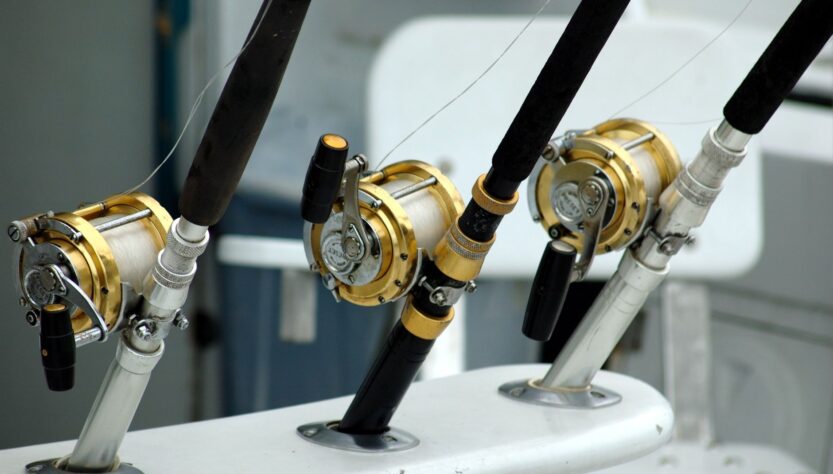
Photo by Pixabay on Pexels