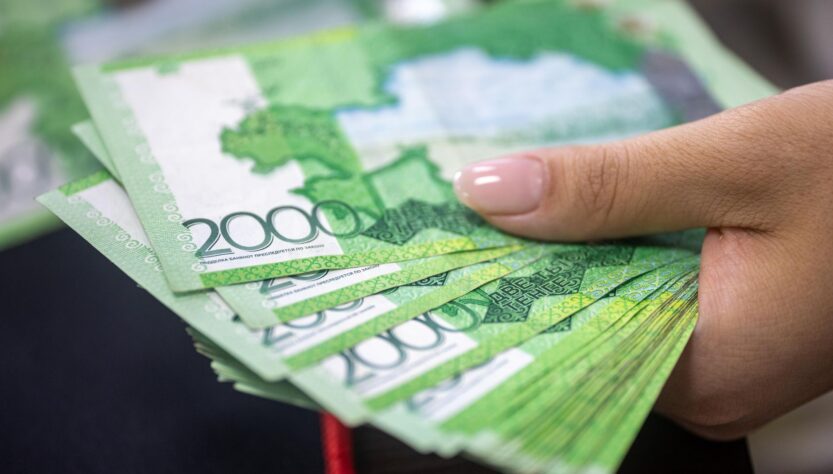
Russia economy India is becoming a focal point in global trade discussions as Zelenskyy calls for an end to oil trade between nations.
Understanding the Russia Economy India Connection
The relationship between the Russia economy and India has become increasingly significant in recent years, particularly in the context of global trade dynamics. As geopolitical tensions rise, India has emerged as a key player in this evolving scenario.
India’s strategic partnership with Russia has been highlighted in discussions about energy resources, especially oil. The ongoing conflict in Ukraine has led to substantial shifts in trade patterns, with India stepping in as a major buyer of Russian oil. This shift has been viewed by some as an attempt by Russia to diversify its economic dependencies.
Experts note that the Russia economy India connection is not just about oil; it encompasses a range of sectors including defense, technology, and agriculture. The growing trade ties are reflected in various agreements aimed at bolstering economic cooperation. However, this relationship has not been without controversy.
Western nations have expressed concerns over India’s engagement with Russia, especially amid sanctions imposed on Moscow. As the situation evolves, analysts are closely monitoring how India balances its interests with its long-standing ties with Russia while navigating international pressures.
- India’s increasing oil imports from Russia
- Strategic partnerships in defense and technology
- Concerns over Western sanctions and geopolitical implications
Zelenskyy’s Call to End Oil Trade
In a recent address, Ukrainian President Volodymyr Zelenskyy urged the international community to reconsider its trade relationships with Russia, particularly emphasizing the detrimental effects of oil trade. He stated that the ongoing economic ties, especially between Russia and India, allow the Kremlin to fund its military operations. Zelenskyy’s comments highlight a growing concern over the reliance on Russian oil and how it impacts global geopolitical stability.
He asserted that, “Russia is basing its economy on India,” referring to the increasing energy trade between the two nations. This partnership has significant implications for global oil markets and the broader economy of Russia. Zelenskyy called for immediate action to sever oil trade links, stressing that such measures are crucial for curbing Russia’s aggressive policies.
As countries navigate the complexities of their energy needs, the relationship between Russia and India becomes increasingly critical. The dependence of India on Russian oil not only affects the local economy but also plays a role in shaping international responses to Russia’s actions. In light of these developments, it is essential for nations to evaluate their energy strategies and consider the broader implications of continuing trade with Russia.
Only through concerted global efforts can the cycle of reliance on oil trade be broken, ultimately leading to a more stable geopolitical environment.
Implications for Global Oil Markets
The implications for global oil markets following the intensified trade relationship between Russia and India are profound. As Russia increasingly relies on India’s consumption of oil, it signals a shift in the dynamics of global energy supply. This growing dependence raises several concerns for other nations heavily reliant on oil imports.
Firstly, the Russia economy India connection could lead to a potential monopoly on oil pricing. With India becoming a primary buyer of Russian oil, the pricing power may shift towards Russia, allowing it to dictate terms that could adversely affect global oil prices.
- Increased Volatility: The integration of Russian oil into India’s energy portfolio may increase price volatility as geopolitical tensions continue to simmer.
- Supply Chain Risks: Countries dependent on Middle Eastern oil may face supply chain disruptions as Russia seeks to solidify its position in global markets.
- Environmental Concerns: The continuation of Russian oil exports to India may slow down global efforts towards reducing carbon emissions and transitioning to renewable energy sources.
Additionally, nations that oppose Russian aggression may find themselves at a disadvantage, as India’s support for Russian oil could isolate them further in diplomatic discussions. The long-term ramifications of this alliance could reshape the energy landscape, presenting new challenges for energy security globally.
The Role of India in Russia’s Economy
The relationship between Russia and India has become increasingly significant, especially in light of recent geopolitical shifts and economic challenges. As Russia seeks to stabilize its economy amidst sanctions and international isolation, India has emerged as a crucial partner in various sectors, particularly in energy trade.
India’s role in Russia’s economy is marked by several key factors:
- Energy Imports: India is one of the largest importers of Russian oil, which has allowed Russia to offset losses from Western markets. The growth in oil trade between the two nations has been notable, with India increasing its purchases significantly over the past year.
- Diversification of Supply: By relying on Russian oil, India diversifies its energy sources, reducing dependency on traditional suppliers. This strategic move enhances India’s energy security while providing Russia with essential revenue.
- Economic Cooperation: Beyond oil, India and Russia are exploring collaborations in sectors like defense and technology, which further solidifies their economic ties. This collaboration is critical for both nations as they navigate a complex global landscape.
As the situation evolves, the role of India in Russia’s economy will likely continue to grow, shaping not only bilateral relations but also influencing global oil markets and economic policies.
Future of Energy Trade Relations
The future of energy trade relations between Russia and India appears increasingly complex, particularly in light of recent geopolitical tensions. As the Russia economy seeks to stabilize itself amidst sanctions and global isolation, India has emerged as a crucial partner, primarily for its oil imports. This partnership not only highlights India’s growing demand for energy but also emphasizes the shifting dynamics of global trade.
Despite calls from Ukrainian President Volodymyr Zelenskyy to end oil trade with Russia, India’s reliance on Russian oil has only intensified. The ongoing conflict and the resultant energy crisis in Europe have forced many countries to rethink their energy strategies. India, in particular, is positioned to benefit from discounted Russian oil, which allows it to secure energy supplies at a time when prices are volatile.
This evolving scenario raises several questions about the long-term implications for both countries. The integration of the Russia economy with India’s energy needs could lead to a recalibration of trade relations, impacting not just bilateral ties but also the global oil market. As both nations navigate this intricate landscape, it is crucial to monitor how their energy trade relations develop, especially in the context of geopolitical pressures and economic resilience.
- Increased oil imports from Russia to India.
- Potential shifts in global energy dynamics.
- Impact on international sanctions and trade policies.
The ongoing geopolitical tensions have significantly affected the Russia economy India relationship, particularly in the oil sector. Analysts predict that the worst trade impact on oil will continue to strain the Russia economy India dynamics in the coming months.
Photo by Bia Limova on Pexels