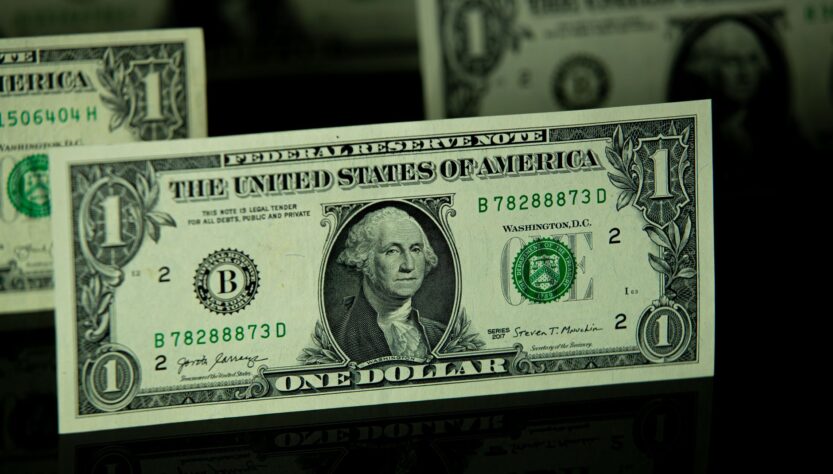
Fed interest rate hike is causing significant tremors for the GOP as midterm elections approach. The implications of this financial decision are reshaping political landscapes and voter perceptions.
Understanding the Fed’s Interest Rate Decisions
The Federal Reserve’s decisions regarding interest rates significantly influence the economic landscape, particularly in the lead-up to elections. Recent Fed interest rate hikes have raised concerns among economists and political analysts about their potential impact on the upcoming midterms for the GOP. As borrowing costs rise, consumer spending typically slows, which can lead to a slowdown in economic growth.
Several factors contribute to the Fed’s interest rate decisions:
- Inflation Control: The primary goal of the Fed is to manage inflation. Higher interest rates are a tool used to curtail excessive inflation, but they can also dampen economic activity.
- Employment Levels: The Fed closely monitors job growth and employment rates, adjusting rates to foster a stable job market.
- Market Stability: Interest rate adjustments can help stabilize financial markets, affecting everything from stock prices to mortgage rates.
As voters feel the pinch of increased interest rates, the GOP may face challenges in maintaining voter support. The economic environment created by the Fed’s actions can shape public sentiment and influence the electoral outcome.
How the Fed Interest Rate Hike Affects Voter Sentiment
The recent Fed interest rate hike has significant implications for voter sentiment, particularly affecting the Republican Party’s chances in the upcoming midterm elections. As interest rates rise, many voters are likely to feel the pinch in their personal finances, leading to increased dissatisfaction with the current administration.
Economic concerns are at the forefront of voters’ minds, and the Federal Reserve’s decision to raise rates can amplify feelings of uncertainty. This can manifest in several ways:
- Increased Borrowing Costs: Higher interest rates mean more expensive loans, impacting everything from mortgages to credit cards.
- Stagnant Wage Growth: As the cost of living rises, stagnant wages may lead voters to blame the party in power for their financial struggles.
- Housing Market Slowdown: A slowdown in home sales can affect local economies, further influencing voter perceptions.
As these economic factors intertwine with political sentiment, the Fed interest rate hike could be a defining issue that sways undecided voters, complicating the GOP’s strategy as they head into the midterms.
GOP Strategies in Light of Economic Changes
The recent Fed interest rate hike has put considerable pressure on the GOP as they strategize for the upcoming midterms. With rising inflation and increased borrowing costs, Republican leaders are reevaluating their messaging to resonate with anxious voters.
In this challenging economic landscape, the GOP is focusing on several key strategies:
- Emphasizing Fiscal Responsibility: The party is likely to highlight the importance of reducing government spending and promoting tax cuts as a way to stimulate economic growth.
- Targeting Local Issues: Candidates are being encouraged to address local economic concerns, focusing on how the Fed’s interest rate hike affects their constituents directly.
- Adapting to Voter Sentiment: GOP candidates are expected to pivot their platforms to reflect growing concerns over inflation and job security, positioning themselves as advocates for the average American.
- Utilizing Digital Campaigns: With traditional campaigning methods less effective in a post-pandemic world, many GOP candidates are turning to social media and digital outreach to engage younger voters.
As the midterms approach, the GOP must navigate these economic changes carefully to bolster their chances against a backdrop of economic uncertainty.
The Role of Economic Factors in Midterm Elections
The upcoming midterm elections are increasingly influenced by economic factors, particularly as the Fed interest rate hike continues to reshape voter perceptions. As inflation rates rise and the cost of living increases, voters are looking for accountability from their representatives. Many believe that the federal government’s policies, including those set by the Federal Reserve, are directly linked to their financial well-being.
In this context, the Republican Party faces significant challenges. A growing number of constituents are linking their economic struggles to the GOP’s leadership, which can lead to discontent at the polls. Key economic indicators, such as unemployment rates and consumer confidence, are critical in shaping public opinion and voting behavior.
Moreover, the perception of economic stability often sways undecided voters, making it essential for GOP candidates to address these issues head-on. They must articulate clear plans to mitigate the negative impacts of the Fed’s decisions, particularly as the interest rate hike compounds existing economic anxiety.
Ultimately, the interplay between economic conditions and voter sentiment will play a significant role in determining the outcome of the midterms, potentially reshaping the political landscape for years to come.
Future Implications for GOP and Voter Behavior
The implications of the recent Fed interest rate hike extend beyond immediate economic concerns, posing significant challenges for the GOP as they approach the midterm elections. Analysts suggest that rising interest rates could reshape voter behavior in ways that are unfavorable for Republican candidates.
As economic pressures mount, voters may prioritize issues such as inflation, job stability, and overall economic health when casting their ballots. This shift could lead to a potential loss of support for GOP candidates who struggle to address these pressing concerns. With a focus on the Fed interest rate hike, here are some critical factors that may influence voter behavior:
- Economic Anxiety: Higher rates typically lead to increased borrowing costs, which can heighten financial uncertainty among voters.
- Perception of Leadership: Voters often associate economic performance with the party in power. Poor economic conditions may reflect negatively on GOP incumbents.
- Demographic Shifts: Young and lower-income voters, who are more sensitive to interest changes, may lean towards Democratic candidates advocating for economic relief.
Ultimately, the Fed’s decisions might redefine the political landscape, making it crucial for the GOP to adapt their strategies to resonate with an evolving electorate.
The Fed interest rate hike has created significant economic uncertainty, which could lead to voter dissatisfaction in the upcoming elections. As a result, the Fed interest rate hike may ultimately prove detrimental to GOP candidates hoping to gain support from struggling constituents.
Photo by Sergei Starostin on Pexels